

Injection molding
In the injection molding workshop, temperature is a core indicator that is constantly monitored. It directly determines whether the plastic can be successfully molded and whether the product quality is stable.
For most general-purpose plastics and engineering plastics, the most common melting temperature range is 200°C to 300°C.
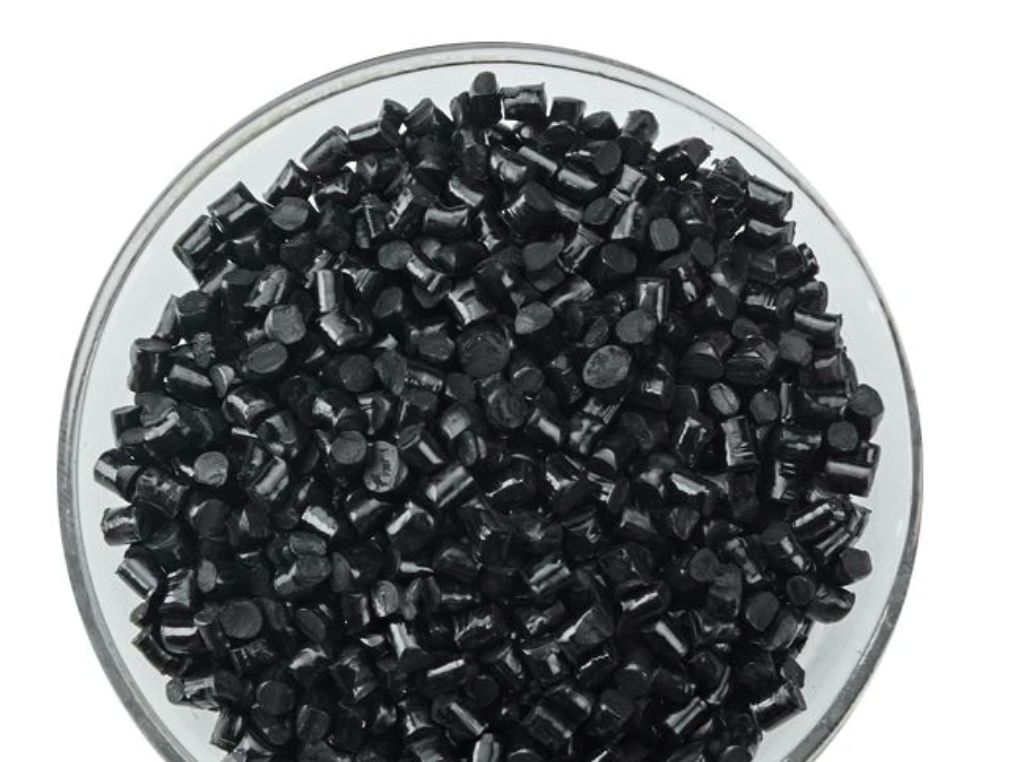
Different types of plastics have different "requirements" for temperature:
• Polypropylene (PP): As one of the most commonly used plastics in daily life, its processing temperature is usually between 200-280°C. The melting point of PP is approximately 160-176°C, but to achieve good fluidity, the actual processing temperature is higher.
• ABS plastic: Widely used in household appliances, toys, and automotive parts, its processing temperature is around 190-250°C. ABS is sensitive to temperature, and high temperatures can cause decomposition and color change.
• Polycarbonate (PC): This is a high-performance engineering plastic used to manufacture products that require high strength and transparency (such as car lights, protective glasses). Its processing temperature is up to 250-320°C, as its glass transition temperature is around 150°C.
• Nylon (PA66): Often used for wear-resistant parts such as gears and bearings, the processing temperature is between 260-290°C. Nylon is a crystalline plastic that requires a sufficient temperature to fully melt and form a good crystalline structure.
Two temperatures, equally important
In injection molding, "temperature" is not a single concept. It includes at least two key indicators: "cylinder temperature and mold temperature".
Cylinder temperature is the temperature of the heating cylinder on the injection molding machine, responsible for melting the solid plastic particles into a flowable liquid. This temperature usually increases gradually from the feed port to the nozzle, forming a gradient distribution, ensuring that the plastic is fully melted without overheating and decomposing.
Mold temperature is the temperature of the surface of the mold cavity, which does not participate in melting the plastic, but controls the cooling speed of the molten plastic and the performance of the final product. Mold temperature is usually between 20-120°C, much lower than the cylinder temperature. For example, when producing PP cups, the mold temperature may only be 30-50°C; while when producing high-gloss PC parts, the mold temperature may need to be heated to 80-120°C. The combination of the two is necessary for the product to be both molded smoothly and of stable quality.
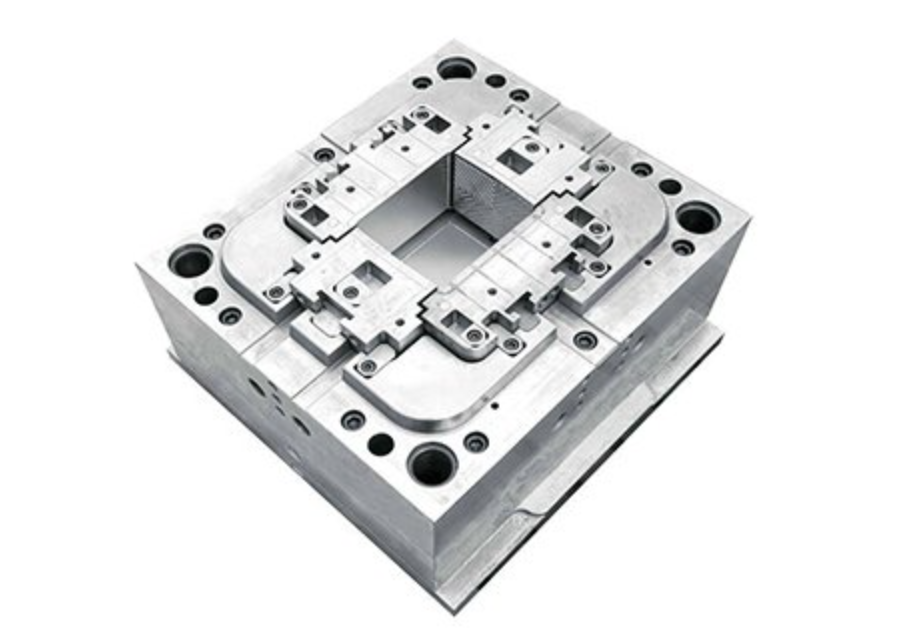

injection mold cylinder
Why is injection molding temperature so important?
The accuracy of temperature control directly relates to several core indicators of the product:
Appearance quality: Inappropriate temperature will cause defects such as burning, air lines, shrinkage, and flow marks on the product surface.
Size accuracy: Mold temperature directly affects the cooling shrinkage rate of the plastic. Inconsistent temperature will cause inconsistent shrinkage in different parts of the product, resulting in warping and deformation.
Mechanical properties: For crystalline plastics such as nylon and polypropylene, mold temperature determines the crystallinity of the product, which in turn affects the strength, toughness, and heat resistance of the product.
Production efficiency: For every 10°C reduction in mold temperature, the cooling time may be shortened by 15-20%. Therefore, choosing the appropriate mold temperature directly relates to the daily production output while ensuring quality.
Temperature control in actual production
Modern injection molding machines are equipped with precise temperature control systems. The cylinder is usually divided into 3-5 heating sections, each of which can be independently set and monitored for temperature, with a temperature difference controlled within ±1°C. The mold is maintained at a constant temperature through a mold temperature machine (to adjust the water temperature or oil temperature between 10-180°C as needed).
For practitioners in the mold processing industry, understanding these temperature characteristics is the basic skill for designing reasonable flow channels, selecting appropriate materials, and avoiding product defects.
If you have products to produce, you can send the drawings to us for some processing suggestions.
Welcome to contact us:Message us - hainamould Mould Company Limted
Email:ciky@hainamould.com

0086 0755 23170739
0086-0755-24325235
ciky@hainamould.com
Room 1605, 16th Floor, Hongyu Building, No. 495, Donghuan 2nd Road, Longhua Subdistrict, Longhua District, Shenzhen, Gongdong ,China 518109


Copyright 2026 Hainamould.com All rights reserved.
-
 0086 0755 23170739
-
 Facebook
-
 WhatsApp
-
 LinkedIn
-
 TOP
TOP