CNC Machining
CNC Precision Machining Services | Haina Mold
From drawings to finished parts, Haina provides high-precision CNC machining one-stop services. With micron-level machining capabilities and full-process quality control, we deliver reliable precision manufacturing solutions for your products.
① What is CNC processing?
CNC processing is the abbreviation of "Computer Numerical Control Machining". It is a subtractive manufacturing process: through the pre-programmed instructions of a computer, the movement of the machine tool's tools or the workpiece is automatically controlled, and the excess material is precisely removed, ultimately resulting in parts that meet the requirements of the drawings.
In simple terms: CNC processing: Cut off the excess parts from the entire piece of material → Subtractive manufacturing
CNC processing is widely used in metals, plastics, woods, composite materials, etc., and especially holds an irreplaceable position in fields that require high precision, surface quality, and batch consistency (such as molds, aerospace, medical devices), etc.
② Our CNC Machining Services
Haina specializes in high-quality CNC precision machining services, covering the entire process from product design review, process planning, programming, to post-processing.
Service Scope:
CNC Turning: Precision machining of rotational parts such as shafts, sleeves, threads, and more
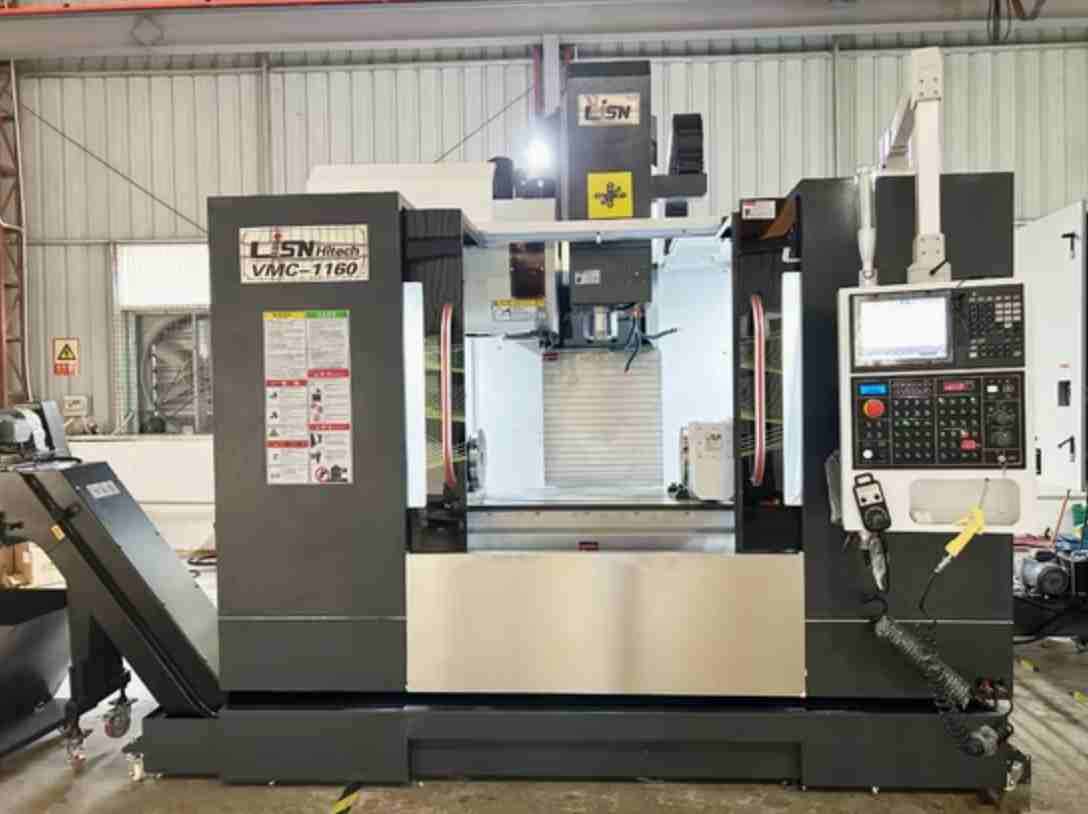
CNC Milling: Complex curved surfaces, special-shaped structural parts, cavity components
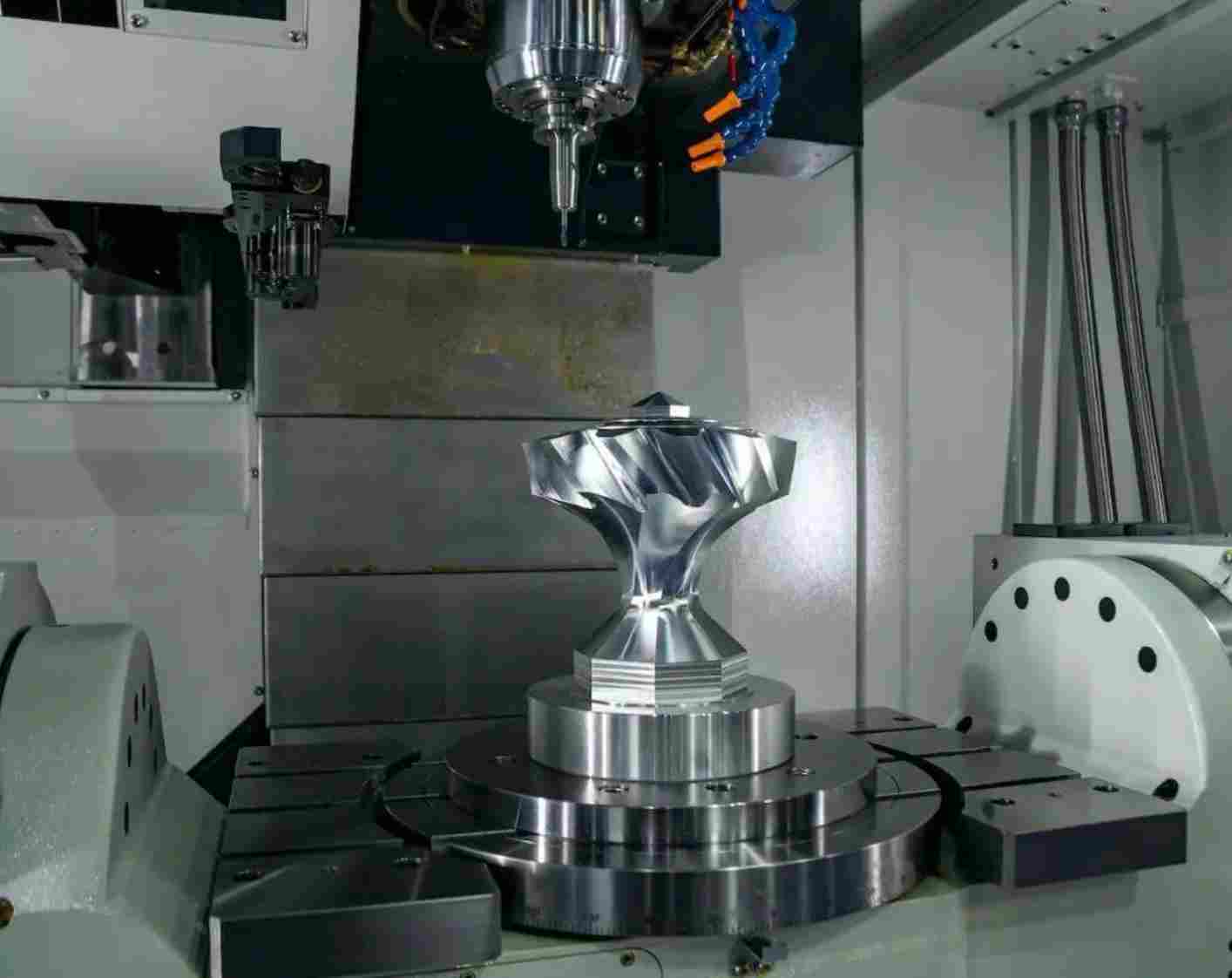
5-Axis Simultaneous Machining: High-complexity parts including aerospace impellers, medical implants, automotive powertrain components
EDM (Electrical Discharge Machining): Deep slots, narrow gaps, and fine features that are difficult to reach with conventional milling
Wire EDM: High-precision contour machining for precision stamping dies, special-shaped holes, thin-walled parts
Mold Components Machining: Cavities, cores, and standard parts for injection molds, die-casting molds, stamping dies
Custom Fixtures & Jigs: Custom design and machining of special fixtures, gauges, and tooling for production support
👉 Get a Quote Now — Submit your project details and we'll respond within 24 hours.
Click here to start
③ Haina's Quality Control System
We have established a comprehensive quality management system covering incoming materials, in-process production, and finished goods:
·Incoming Material Inspection: Raw material grade and dimension verification upon arrival
·In-Process Monitoring: Online measurement and regular sampling to ensure dimensional stability
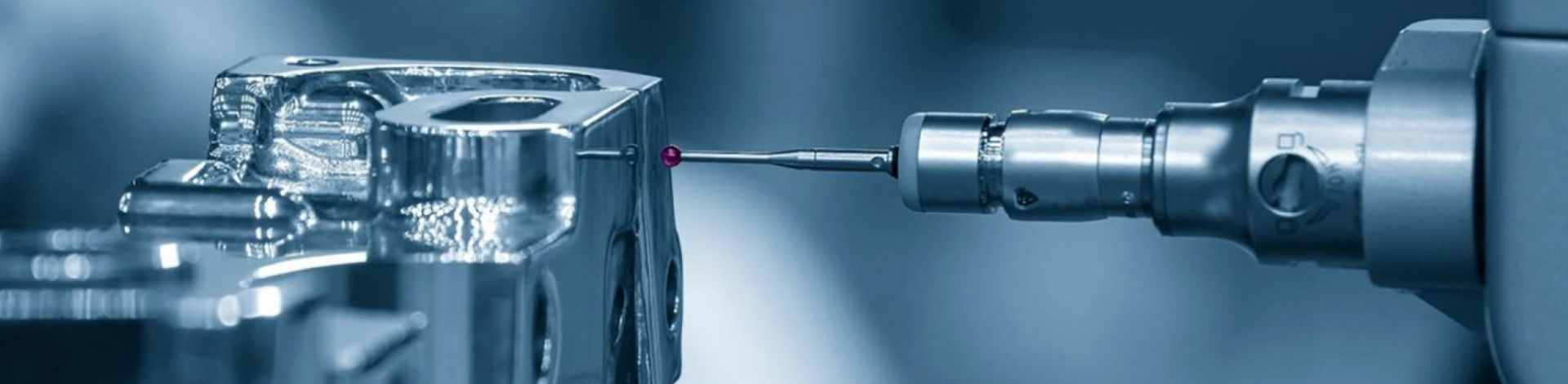
·100% Final Inspection: Equipped with high-precision CMM (Coordinate Measuring Machine), height gauges, roughness testers, optical projectors, and more
·Traceability: Each batch comes with a detailed inspection report; quality records are fully traceable
·Certification: Strictly compliant with ISO 9001 quality management system standards
④. Main Types of CNC Machining and Advantages and Disadvantages of CNC Machining
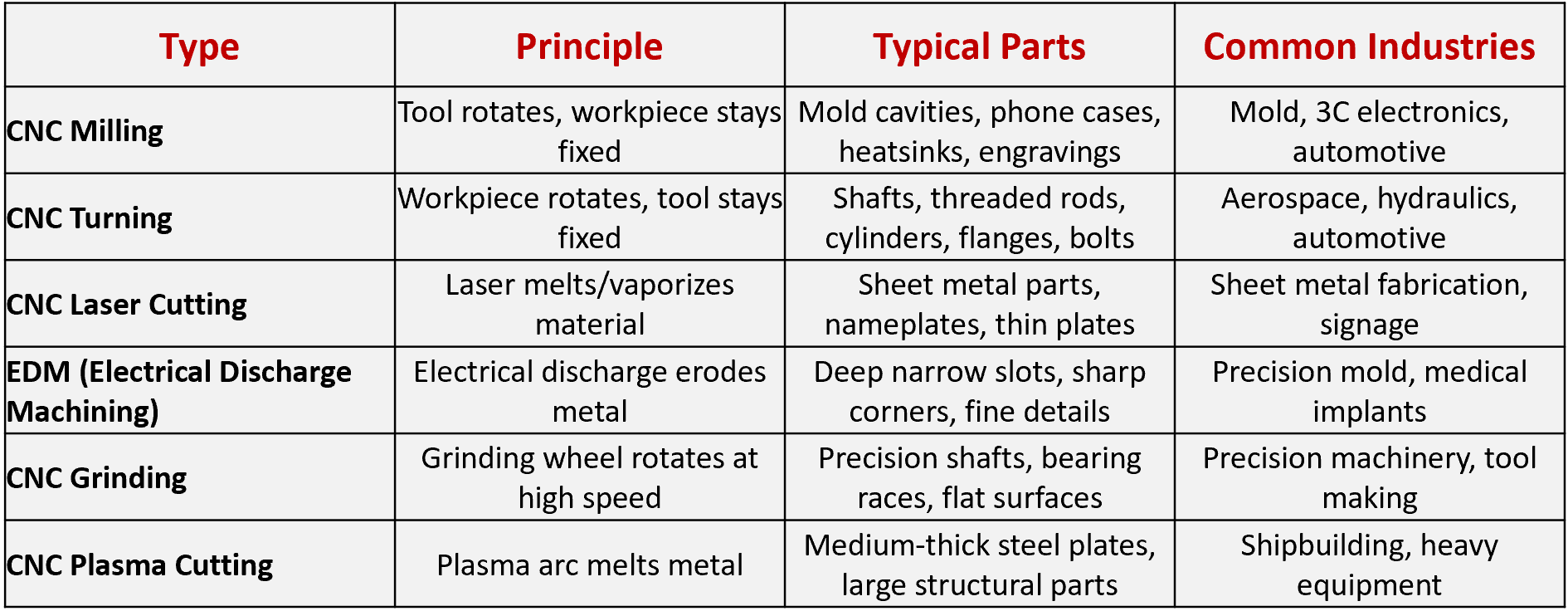
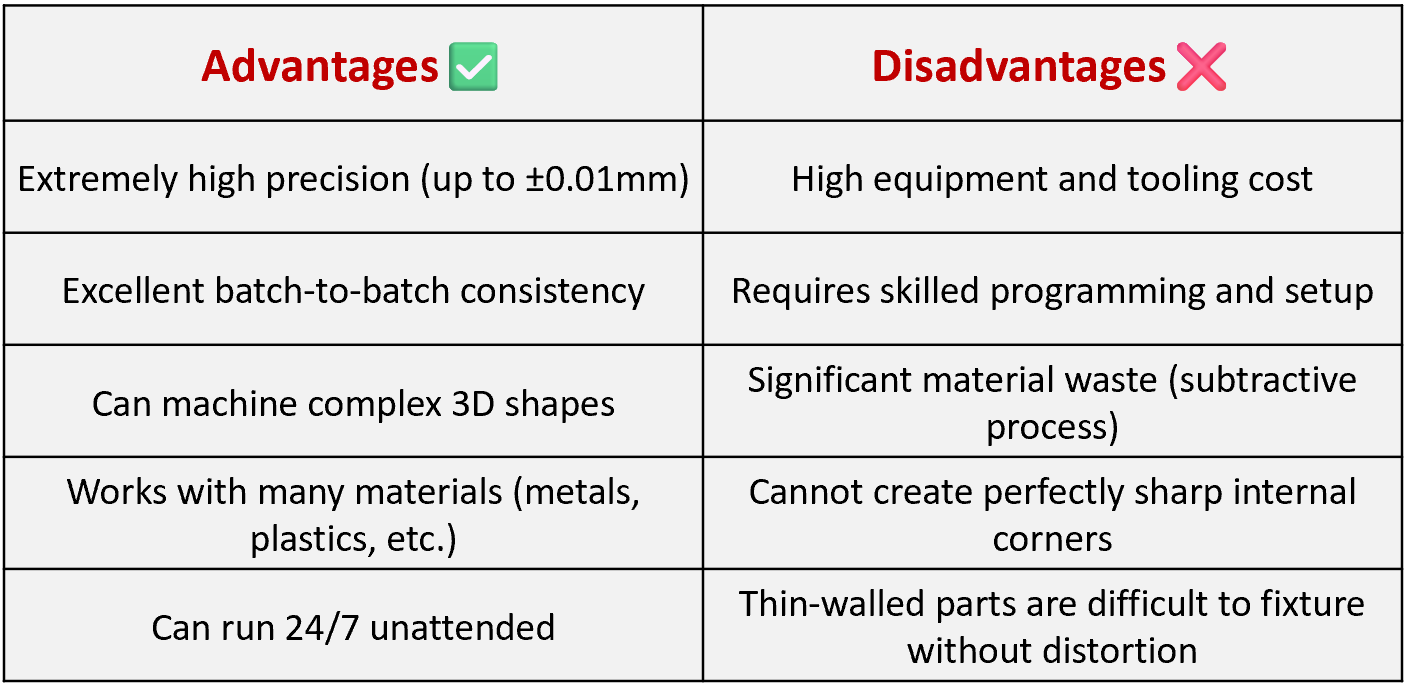
Part of our CNC processing services: https://youtube.com/shorts/YRBeXB2I-ns
⑤ Our cooperation process
We follow a clear four-step process to ensure that each project is efficiently progressed and delivered on time:
Step 1: Upload drawings and obtain DFM feedback
Submit your 3D CAD files or 2D drawings to us. Our engineering team will complete the manufacturability analysis (DFM) within 1-2 working days, evaluating the product structure, material selection, and potential risks, and providing a detailed quotation plan.
Step 2: Mold design review
After confirming the cooperation, we conduct 3D design of the mold and confirm the key design details such as mold structure, pouring system, cooling system, and demolding method with you.
Step 3: Mold testing and sample confirmation
After the mold processing is completed, we arrange for mold testing (T1 sample). You will conduct a comprehensive inspection and confirmation of the sample to ensure that the mold meets your dimensional accuracy and appearance requirements. This step usually takes 1-2 weeks.
Step 4: Mass production and delivery
After the sample confirmation is error-free, we start mass production. We organize production according to your order plan and provide flexible delivery arrangements to ensure that the products are delivered on time.
Start Your Project Now
📧 Email: ciky@hainamould.com
🌐 Website: https://www.hainamould.com/Contactus/SendMessage
👉 Submit Your Drawings for a Free Technical Evaluation and Quote
(Please upload your 3D/2D drawings, material specifications, estimated quantity, and delivery requirements. We will respond within 24 hours.)

0086 0755 23170739
0086-0755-24325235
ciky@hainamould.com
Room 1605, 16th Floor, Hongyu Building, No. 495, Donghuan 2nd Road, Longhua Subdistrict, Longhua District, Shenzhen, Gongdong ,China 518109


Copyright 2026 Hainamould.com All rights reserved.
-
 0086 0755 23170739
-
 Facebook
-
 WhatsApp
-
 LinkedIn
-
 TOP
TOP