

CNC Machining
In CNC machining, surface finish (commonly referred to as surface roughness) directly affects the part's aesthetics, fit precision, and service life. The surface roughness of standard precision CNC machining should typically reach around Ra 0.2μm, which is close to a polished effect. However, in actual production, many workshops encounter issues such as rough surfaces, vibration marks, or burn traces on machined workpieces. These problems are usually related to the following factors.
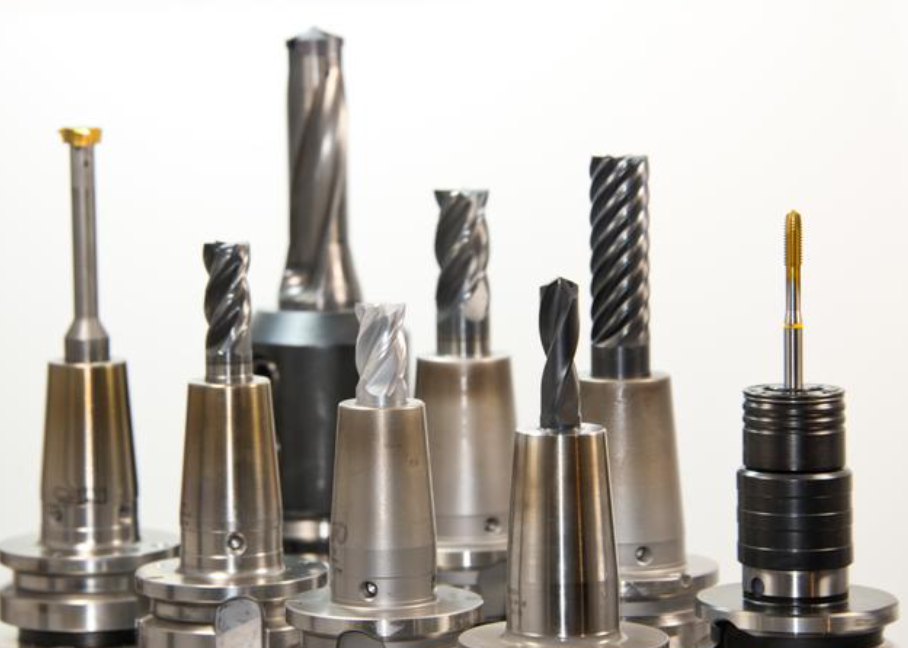
Cutting tools are the most significant influencing factor:
The condition of the cutting tool directly affects the quality of the machined surface. Tool wear is one of the primary causes of poor surface roughness.
When the flank wear of a cutting tool exceeds 0.2mm, the surface roughness Ra value may increase by 50%. When the tool becomes dull, cutting resistance increases and the cutting process becomes unstable, making the workpiece surface prone to scratches or fraying. In addition, improper tool geometric parameters—such as too small a rake angle or incorrect selection of the nose radius—can also result in excessive scallop height, affecting the finish.
Unreasonable cutting parameter settings
Cutting speed, feed rate, and depth of cut are the core variables that determine surface quality.
·Excessive feed rate: Easily causes tool vibration and severe burrs, leaving obvious tool marks on the surface.
·Mismatch between spindle speed and feed rate: If the ratio is improper, the machined surface will develop spiral marks, leading to uneven surface texture.
·Improper depth of cut: Excessive depth of cut intensifies tool stress, increases the risk of vibration, and affects surface quality. One study shows that feed rate, spindle speed, and axial depth of cut are the main factors affecting surface roughness.
Machine tool vibration and insufficient rigidity
Chatter is the "invisible killer" affecting surface finish in CNC machining. Unstable machine tools, insufficient clamping force, and excessive tool overhang can all trigger this resonance. Excessive spindle radial runout can also cause vibration marks.
Additionally, improper cutting heat and cooling, as well as issues with the material itself, can also affect the finish.
If you encounter similar problems in actual machining, or would like to know how to choose a more suitable processing solution for your products, please feel free to contact Haina for professional advice and a quote.
Start Your Project Now
📧 Email: ciky@hainamould.com
🌐 Website: https://www.hainamould.com/Contactus/SendMessage
👉 Submit Your Drawings for a Free Technical Evaluation and Quote
(Please upload your 3D/2D drawings, material specifications, estimated quantity, and delivery requirements. We will respond within 24 hours.)

0086 0755 23170739
0086-0755-24325235
ciky@hainamould.com
Room 1605, 16th Floor, Hongyu Building, No. 495, Donghuan 2nd Road, Longhua Subdistrict, Longhua District, Shenzhen, Gongdong ,China 518109


Copyright 2026 Hainamould.com All rights reserved.
-
 0086 0755 23170739
-
 Facebook
-
 WhatsApp
-
 LinkedIn
-
 TOP
TOP