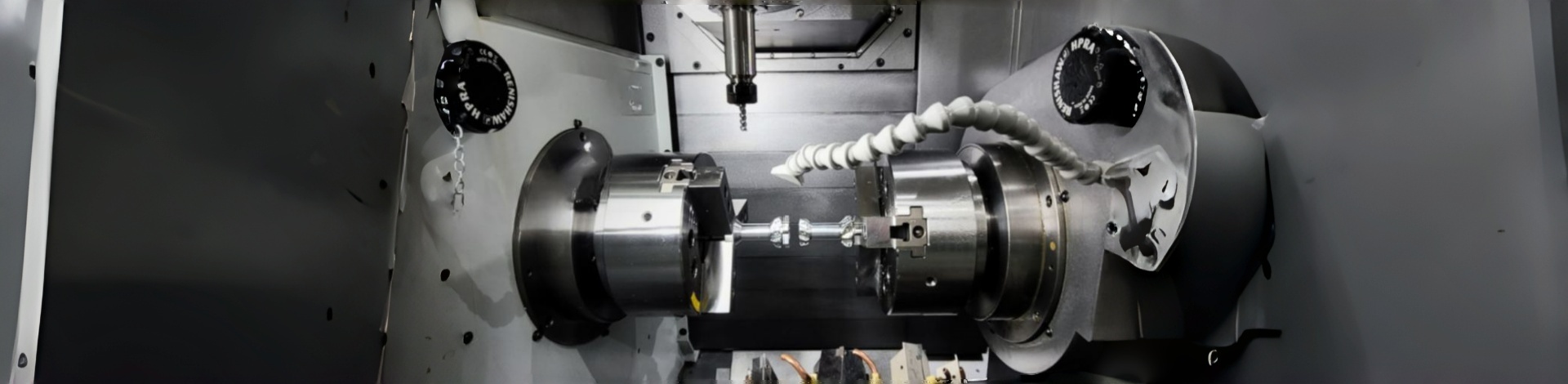
CNC Machining
When looking for a CNC machining factory, you can't just look at price and verbal promises. Based on industry practices and supplier evaluation experience, there are four core dimensions that can serve as screening criteria.
1. Check Qualifications and Systems
Generally speaking, a business license is the most basic document, and the business scope should clearly include related items such as "precision manufacturing and processing" or "metal products manufacturing."
A reputable machining factory should have quality management system certification. ISO 9001 is a basic certification that proves the company has the ability to stably provide qualified products. If your parts are used in the automotive industry, IATF 16949 certification is required; for medical devices, ISO 13485 certification is needed.
2. Check Equipment and Precision
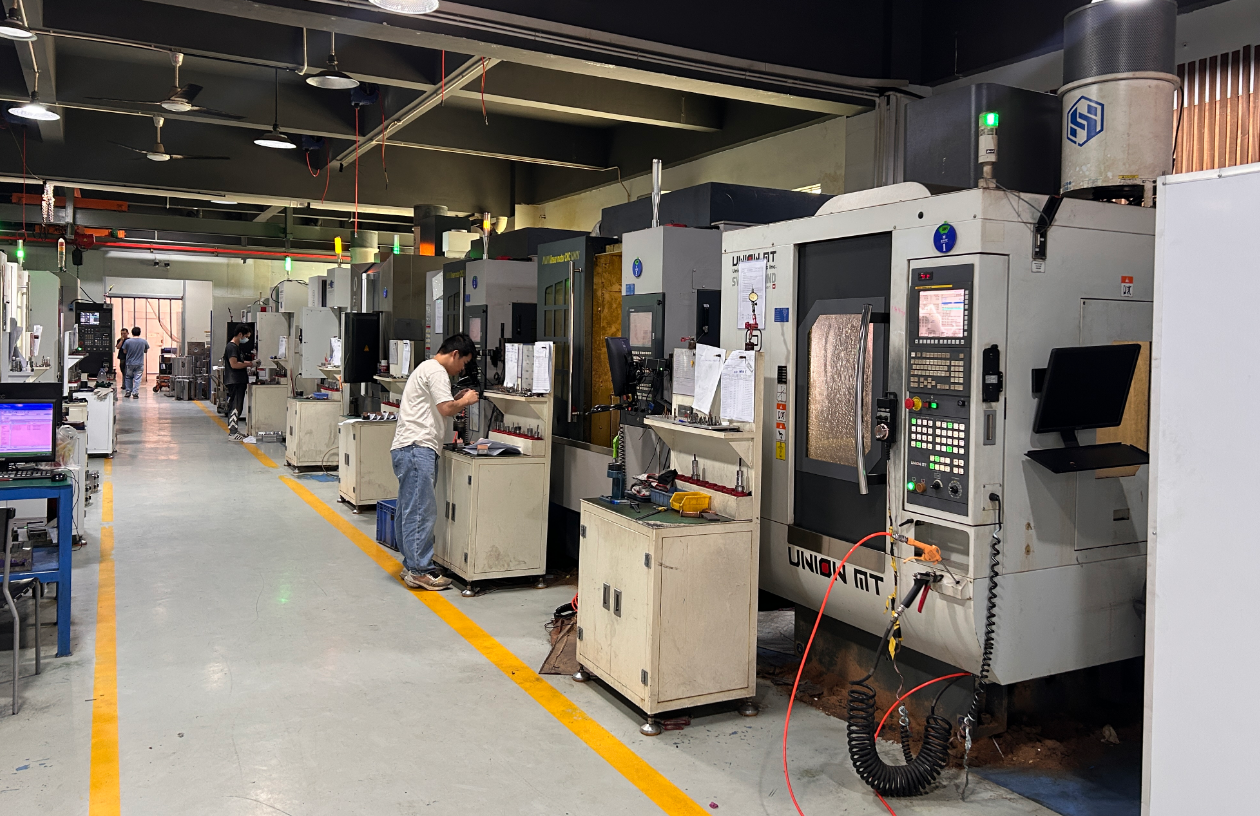
You should obtain the equipment list, which clearly lists the brands, system models, and the specific number of 5-axis, 4-axis, and 3-axis machines. The combination of 3-axis, 4-axis, and 5-axis equipment directly determines the machining capability for complex curved surfaces.
The age and condition of the equipment are also critical. With machine tools over ten years old, it's difficult to guarantee part tolerances. You can ask the factory for a full dimensional report on their most recent batch of similar parts to see if the measured data matches their verbal claims.
High-precision inspection equipment is another important indicator. Factories equipped with coordinate measuring machines demonstrate batch precision control capability, which effectively mitigates the risk of batch scrap.
3. Check Quote Transparency
A reliable quote should list each item clearly: material cost, machining time cost, setup cost, inspection cost, and surface treatment cost. Setup cost has a particularly significant impact on small-batch orders—the one-time programming and fixture costs must be spread across a small number of parts, which is the fundamental reason why small-batch unit prices are much higher than large-batch prices.
If the quote is just a single lump-sum price with no breakdown, the risk of price increases later is high.
4. Check Process Control
Passing a sample does not guarantee stable mass production. You need to ask clearly whether the factory implements full-process quality control including first-piece inspection, in-process inspection, and final inspection, and whether raw materials from each batch are traceable.
Communication efficiency is also an important reference. When you send drawings over, does the other party ask a few key questions or just give you a quote right away? A reliable factory will carefully verify details such as materials, heat treatment, and surface treatment, rather than brushing them off.
The above are some insights that Haina has summarized over the years as a mold manufacturing company. The core logic for evaluating a machining factory is: screen for risks first, then look at price. In this era, price is no longer the primary factor in evaluating a good factory. At the same price, we just do better than other companies, and our service leaves customers more satisfied.
If you need a more detailed answer to this question, feel free to contact Haina.
📧 Email: ciky@hainamould.com
🌐 Website: https://www.hainamould.com/Contactus/SendMessage
👉 Submit Your Drawings for a Free Technical Evaluation and Quote

0086 0755 23170739
0086-0755-24325235
ciky@hainamould.com
Room 1605, 16th Floor, Hongyu Building, No. 495, Donghuan 2nd Road, Longhua Subdistrict, Longhua District, Shenzhen, Gongdong ,China 518109


Copyright 2026 Hainamould.com All rights reserved.
-
 0086 0755 23170739
-
 Facebook
-
 WhatsApp
-
 LinkedIn
-
 TOP
TOP