CNC Machining
Small-batch CNC machining (dozens to hundreds of parts) is a real need for many R&D teams and small-to-medium businesses. But when it comes to choosing a machining shop, you're often caught in a dilemma: big factories may not be willing to take your order, while small shops raise concerns about quality stability.
Big Factory Characteristics: Like a Chain Restaurant (Think McDonald's)
Big factories have complete equipment and stable quality control—most reassuring for mass production. But prices are high and response is slow—changing even a small detail might take days of internal process.
Best for large batches: For standard parts in quantities of several thousand or more, big factories' production lines and quality systems guarantee consistency and cost advantages.
The problem with small batches: Many big factories are reluctant to take small-batch orders because setup time is long and profit margins are thin. Even if they do accept, your order may not get priority scheduling.
Small Factory Characteristics: Like a Private Kitchen
Small factory owners are directly involved in management, making them flexible and easy to negotiate with. They take on small batches or rush orders quickly, and prices are generally more affordable.
Best for simple parts: Parts with simple shapes, general precision requirements (IT9 and above), and materials like aluminum or ordinary steel—small workshops can do them perfectly well, and at a much lower cost.
Limitations: There's an obvious equipment ceiling—no 5-axis machining centers, no coordinate measuring machines. Complex surfaces and high-precision parts are hard to guarantee. Quality stability also fluctuates significantly; whether a batch turns out well depends largely on which operator is on shift that day.
Medium-Sized Specialized Factories: The Sweet Spot
In reality, many buyers aren't limited to just the two extremes of "big" and "small." There are plenty of medium-sized specialized factories in between.
These factories typically have:
·10 to 200 employees
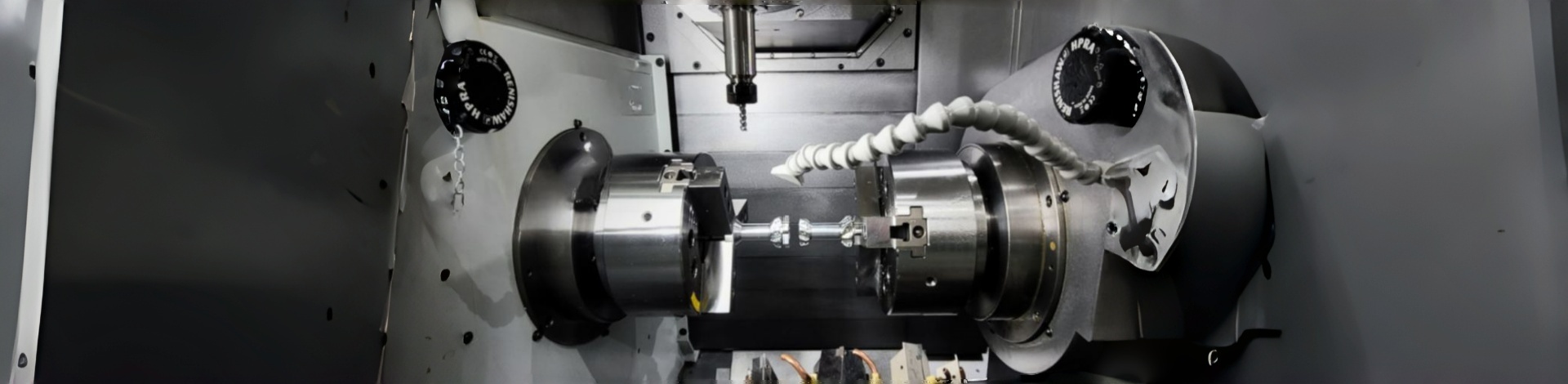
·Relatively complete precision machining equipment (5-axis, precision grinders, CMM, etc.)
·ISO 9001 and other certifications
·Years of experience in a specific niche
·More flexibility than big factories, with better willingness and faster response for small-batch orders
For quantities of 1 to 500 parts, with some complexity, precision requirements between IT7 and IT5, and materials that may be titanium alloy or stainless steel, medium-sized specialized factories are often the most suitable choice.
How to Judge?
There's a saying that sums it up well: Choose a big factory for stability and large production runs; choose a reliable small shop for flexibility and urgent orders. It's best to test their skills with a sample—that's more telling than just looking at scale.
Suggestion: Start with one sample piece first. Measure the actual precision and surface quality—that's far more useful than just listening to their claims.

0086 0755 23170739
0086-0755-24325235
ciky@hainamould.com
Room 1605, 16th Floor, Hongyu Building, No. 495, Donghuan 2nd Road, Longhua Subdistrict, Longhua District, Shenzhen, Gongdong ,China 518109


Copyright 2026 Hainamould.com All rights reserved.
-
 0086 0755 23170739
-
 Facebook
-
 WhatsApp
-
 LinkedIn
-
 TOP
TOP