CNC Machining
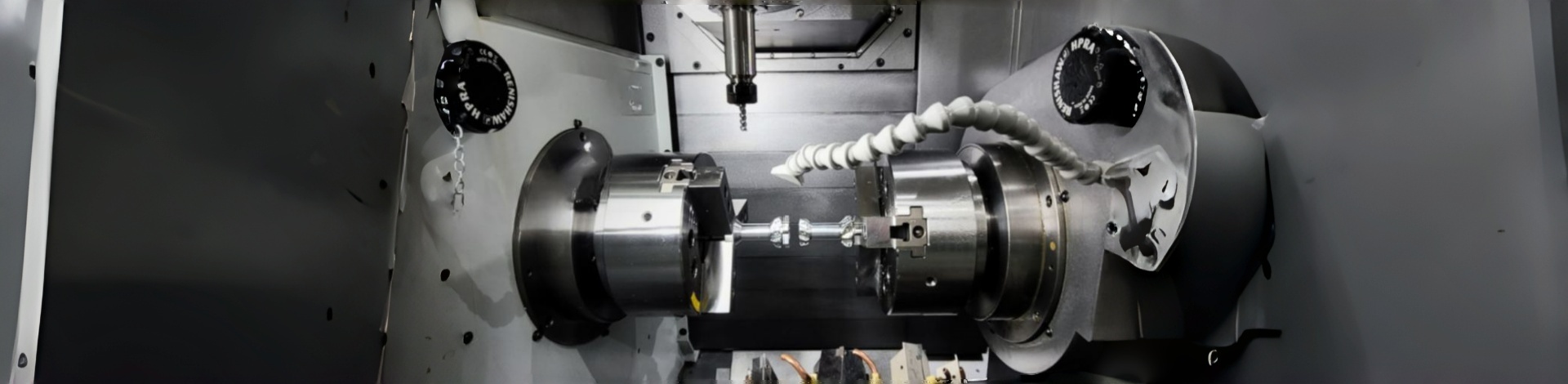
Walk into a machining workshop, and you'll see a stream of milky white liquid blasting onto the cutting tool inside the CNC machine. This isn't ordinary tap water—it's a specially formulated cutting fluid, and it serves three critical purposes:
First, cooling. Metal cutting generates temperatures that can exceed 800°C. Without rapid cooling, the workpiece expands and distorts, and the tool edge wears out quickly. The cutting fluid sweeps in, carries the heat away instantly, and preserves machining accuracy.
Second, lubrication. The cutting fluid forms a thin oil film between the tool and the metal surface, reducing friction. This extends tool life and leaves the finished surface smooth and mirror-like.
Third, chip removal. High-speed cutting produces a torrent of metal chips. If not washed away immediately, these chips can scratch the workpiece or clog the tool. The high-pressure fluid acts like a liquid broom, forcefully sweeping chips out of the cutting zone.
Cutting fluids generally fall into two categories: water-soluble (excellent cooling, the most common type) and oil-based (superior lubrication, used for low-speed heavy cutting). Modern CNC machines often feature high-pressure through-spindle cooling, which delivers the fluid directly to the cutting edge through internal tool channels for maximum effectiveness.
What looks like simple "water flushing" is actually a sophisticated synergy of cooling, lubrication, and chip evacuation—all of which directly determine a part's precision and the tool's service life.

0086 0755 23170739
0086-0755-24325235
ciky@hainamould.com
Room 1605, 16th Floor, Hongyu Building, No. 495, Donghuan 2nd Road, Longhua Subdistrict, Longhua District, Shenzhen, Gongdong ,China 518109


Copyright 2026 Hainamould.com All rights reserved.
-
 0086 0755 23170739
-
 Facebook
-
 WhatsApp
-
 LinkedIn
-
 TOP
TOP