Die Casting
Continuous machining has one biggest enemy: heat.
The machine runs, the spindle spins, the tool cuts—heat builds up little by little. Dimensions that were spot-on in the morning start drifting by noon. How much? Depends on the workshop temperature that day and how heavy the workload is.
For die-cast housings with long shaft bores requiring 0.02mm coaxiality—thinner than a human hair—thermal expansion is no small matter. A few microns of growth, negligible for other parts, means scrap here.
How did we handle it before? Operators would grab a dial gauge, measure every so often, and punch compensation values into the tool offset based on gut feel. Over-compensate, and the next part is out of spec. Under-compensate, and the next one still drifts. Veteran workers had the touch; younger guys just gambled.
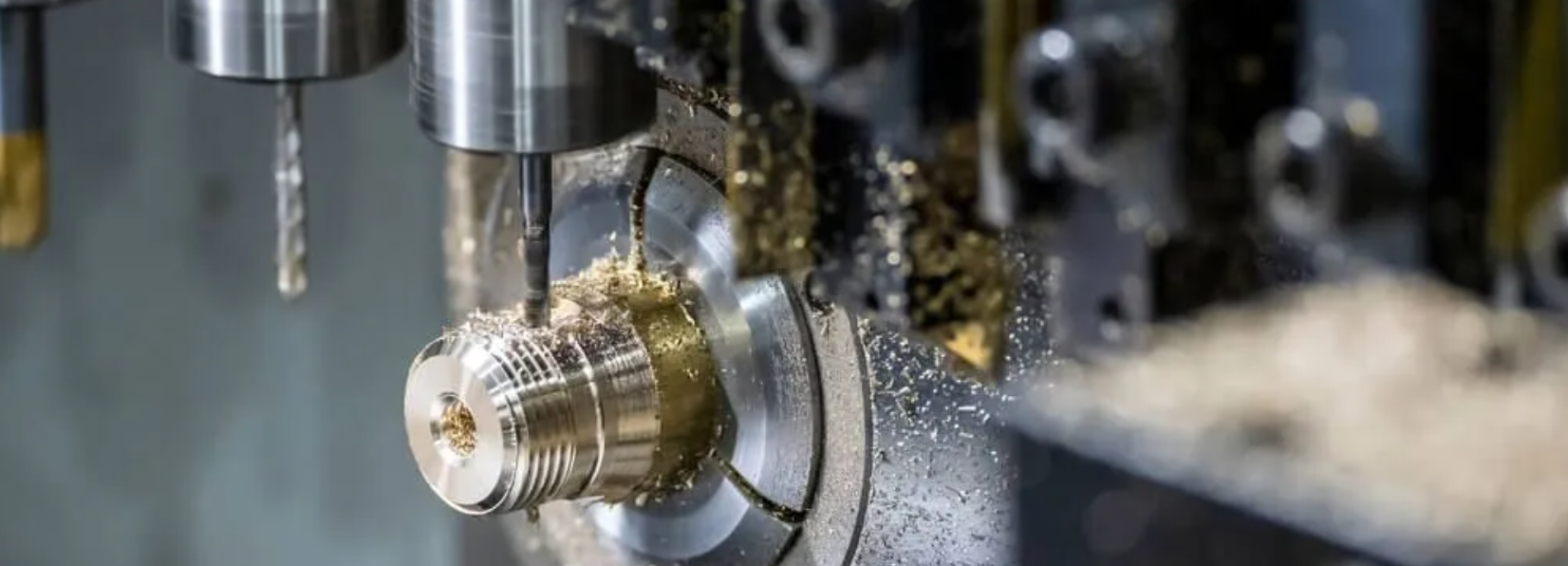
Now the shop has equipped a machining center with a Renishaw laser tool setter. Every 5 parts, the robot arm automatically delivers the tool under the laser beam. The system scans the actual tool length, compares it to the baseline, and updates the offset instantly—no downtime, no manual calculations.
The results speak for themselves: coaxiality holds steady within 0.02mm across 100 parts—part #1 and part #100 are nearly identical. Scrap rate dropped from 5% to just over 1%.
At its core, it's simple: let the machine know how much it's expanded, and let it correct itself. We don't need to wrestle with micron-level precision anymore—just keep an eye on the screen.
Start Your Project Now
📧 Email: ciky@hainamould.com
🌐 Website: https://www.hainamould.com/Contactus/SendMessage
👉 Submit Your Drawings for a Free Technical Evaluation and Quote
(Please upload your 3D/2D drawings, material specifications, estimated quantity, and delivery requirements. We will respond within 24 hours.)

0086 0755 23170739
0086-0755-24325235
ciky@hainamould.com
Room 1605, 16th Floor, Hongyu Building, No. 495, Donghuan 2nd Road, Longhua Subdistrict, Longhua District, Shenzhen, Gongdong ,China 518109


Copyright 2026 Hainamould.com All rights reserved.
-
 0086 0755 23170739
-
 Facebook
-
 WhatsApp
-
 LinkedIn
-
 TOP
TOP