CNC Machining
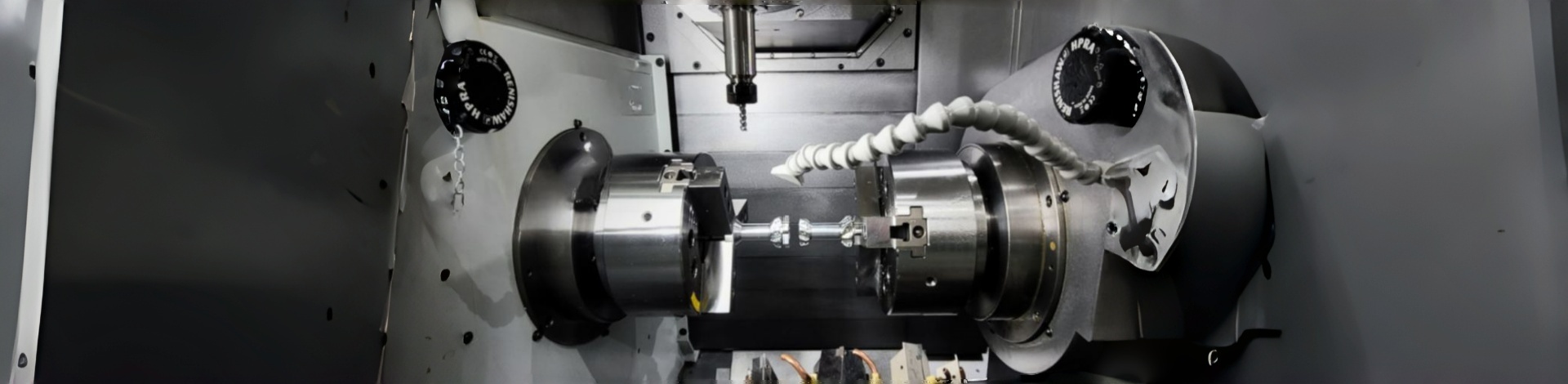
In mold CNC machining, the quality of the tool path directly determines machining efficiency and cost. With traditional programming methods, tool paths often involve a significant amount of air cutting and frequent tool lifting—the tool moves through the air without cutting and moves up and down constantly, wasting time and accelerating tool wear. AI is now making tool paths smarter than ever before.
Where do air cuts come from?
Air cuts occur when the tool travels through areas with no material, essentially running idle. Traditional CAM software typically generates paths with fixed stepovers and stepdowns, covering the entire machining area in a regular grid pattern. The tool behaves like a robotic vacuum cleaner, following its planned route regardless of whether there is any debris on the floor. When the machining area has an irregular shape with islands or cavities, the tool inevitably has to traverse blank areas to reach the next cutting position, and that's how air cuts are created.
Tool lifting is another efficiency killer. Every time the tool completes a cutting layer, it must retract to a safe height, move to the next starting point, and then descend to continue cutting. This process may seem brief, but in complex mold machining, a single roughing operation can involve dozens or even hundreds of layers. The accumulated time spent on frequent lifting and lowering can account for twenty to thirty percent of the total machining time.
How does AI optimize this?
The core logic of AI-driven tool path optimization can be understood as enabling the tool to "think" as it moves.
During the path planning stage, AI algorithms no longer rely on simple fixed stepover and layer-by-layer scanning. Instead, they dynamically adjust the path direction based on the geometric shape of the machining area. By analyzing local features of the 3D model, AI automatically identifies which areas actually require cutting and which are empty zones. In areas that need machining, AI generates dense, efficient cutting paths; in blank areas, the tool passes through at the fastest possible speed, rather than laboriously following the entire path as traditional methods do.
AI can also intelligently determine whether lifting is truly necessary. Traditional lifting strategies are conservative—if there is any gap between paths, the tool retracts to the safe height. AI, however, analyzes the actual clearance between the tool and the workpiece to calculate whether a full retraction is really needed. If the tool only needs to cross a low boss, it can lift just a few millimeters, quickly traverse, and then descend to continue cutting. This "low-altitude flight" approach to path transitions significantly reduces ineffective lifting and lowering movements.
Additionally, AI optimizes the cutting sequence. Traditional programming often processes features in the order they were generated geometrically, while AI takes a global view and plans the shortest possible tool movement path. Just as a delivery driver doesn't zigzag randomly, AI calculates the optimal route from one machining area to the next, avoiding unnecessary back-and-forth movements across the machine table.
What are the actual results?
In practice, AI-optimized tool paths typically reduce air cutting time by over fifty percent and cut the number of tool lifts by thirty to forty percent. For deep cavity molds or complex surface machining, the improvements are even more pronounced. Moreover, stable cutting conditions reduce impact loads on the tool, extending its service life.
AI does not replace programmers—it frees them up
The essence of AI optimization is to liberate programmers from tedious path adjustments. In the past, an experienced programmer might spend hours manually fine-tuning path parameters and optimizing cutting sequences. AI can generate a near-optimal solution in just minutes, leaving the programmer to review and make minor refinements, focusing their expertise on higher-value decisions like overall process strategy.
Mold machining is shifting from "humans set the rules, machines execute" to "AI plans autonomously, humans make the judgment calls." For mold manufacturers that are among the first to apply AI to tool path optimization, the gains are not just in machining efficiency—they're in the confidence to handle tight delivery schedules.
Start Your Project Now
📧 Email: ciky@hainamould.com
🌐 Website: https://www.hainamould.com/Contactus/SendMessage
👉 Submit Your Drawings for a Free Technical Evaluation and Quote
(Please upload your 3D/2D drawings, material specifications, estimated quantity, and delivery requirements. We will respond within 24 hours.)

0086 0755 23170739
0086-0755-24325235
ciky@hainamould.com
Room 1605, 16th Floor, Hongyu Building, No. 495, Donghuan 2nd Road, Longhua Subdistrict, Longhua District, Shenzhen, Gongdong ,China 518109


Copyright 2026 Hainamould.com All rights reserved.
-
 0086 0755 23170739
-
 Facebook
-
 WhatsApp
-
 LinkedIn
-
 TOP
TOP