CNC Machining
In our mold manufacturing industry, when customers or engineers review drawings, they often see H13, SKD61, or 4Cr5MoSiV1 listed on the material list.
These three names are often used interchangeably, and many people even think they are three completely different materials. But they are the same material—the famous hot work mold steel in the mold industry.
I. Different names, but actually "one family"
Simply put, H13, SKD61, and 4Cr5MoSiV1 refer to different standard designations for the same material; only their naming systems are different:
• 4Cr5MoSiV1: This is the designation in the Chinese national standard (GB). The name directly reveals its chemical composition: carbon content of about 0.4% (4), chromium content of about 5% (Cr5), and alloying elements such as molybdenum (Mo), silicon (Si), and vanadium (V).
• H13: This is the designation in the American standard (AISI/SAE), and it is currently the most commonly used designation in North America and globally.
• SKD61: This is the designation in the Japanese Industrial Standard (JIS), and it is very popular among Japanese companies and in Asian markets.
Although they are not produced by the same steel mill, as long as they meet the corresponding standards, their core performance is consistent, and all have excellent heat resistance and thermal fatigue resistance.
II. Its core advantages
If you are making aluminum alloy or zinc alloy die-casting molds, or engineering plastic injection molds that require high-temperature forming, H13 (or SKD61) is almost standard:
——Excellent thermal fatigue resistance (crack resistance): During repeated heating and cooling, the mold surface is prone to fine cracks. H13 can well resist this repeated thermal expansion and contraction, extending mold life.
——Good hardenability: After heat treatment, both its interior and surface can achieve high hardness (usually around HRC 48-52), and it has good toughness and is not prone to brittle cracking.
——Strong resistance to high-temperature softening: At higher working temperatures, it can still maintain high hardness and will not easily soften and collapse.
III. What should be noted in actual processing?
The material is good, but to use it well is a test of the mold factory's processing capability:
• Heat treatment is key: H13 is usually relatively soft before processing. After forming and processing are completed, vacuum quenching and multiple tempering must be carried out. If the heat treatment process does not meet standards, even the best steel will become scrap.
• Surface treatment is often required: To further improve wear resistance and prevent sticking, many customers require nitriding, titanium plating (TiN), or DLC coating on the surface of H13 mold cores.
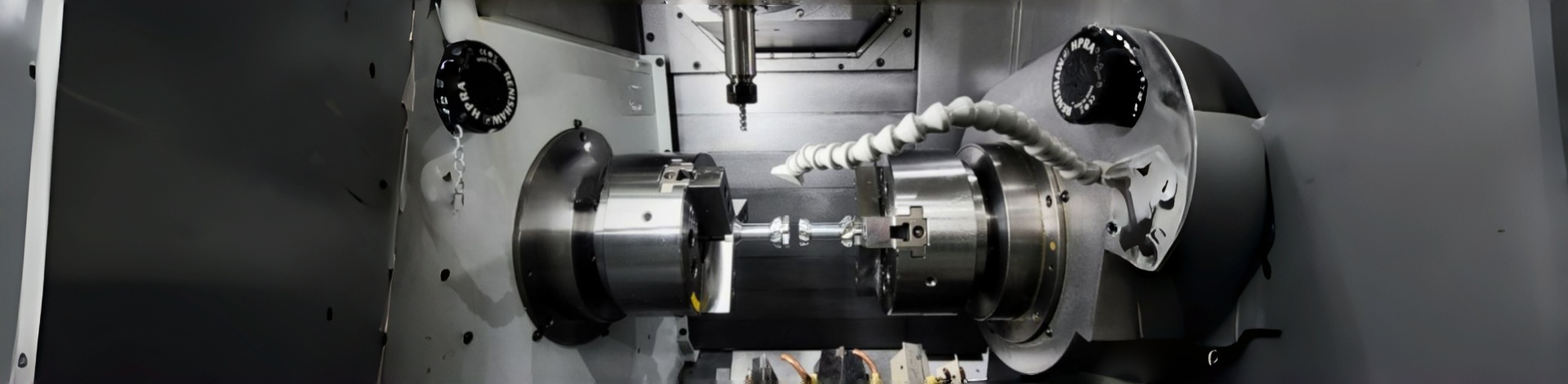
• Processing difficulty is above average: Its hardness is relatively high, which causes greater wear on CNC tools, requiring factories to have good machine tool rigidity and experience in setting cutting parameters.
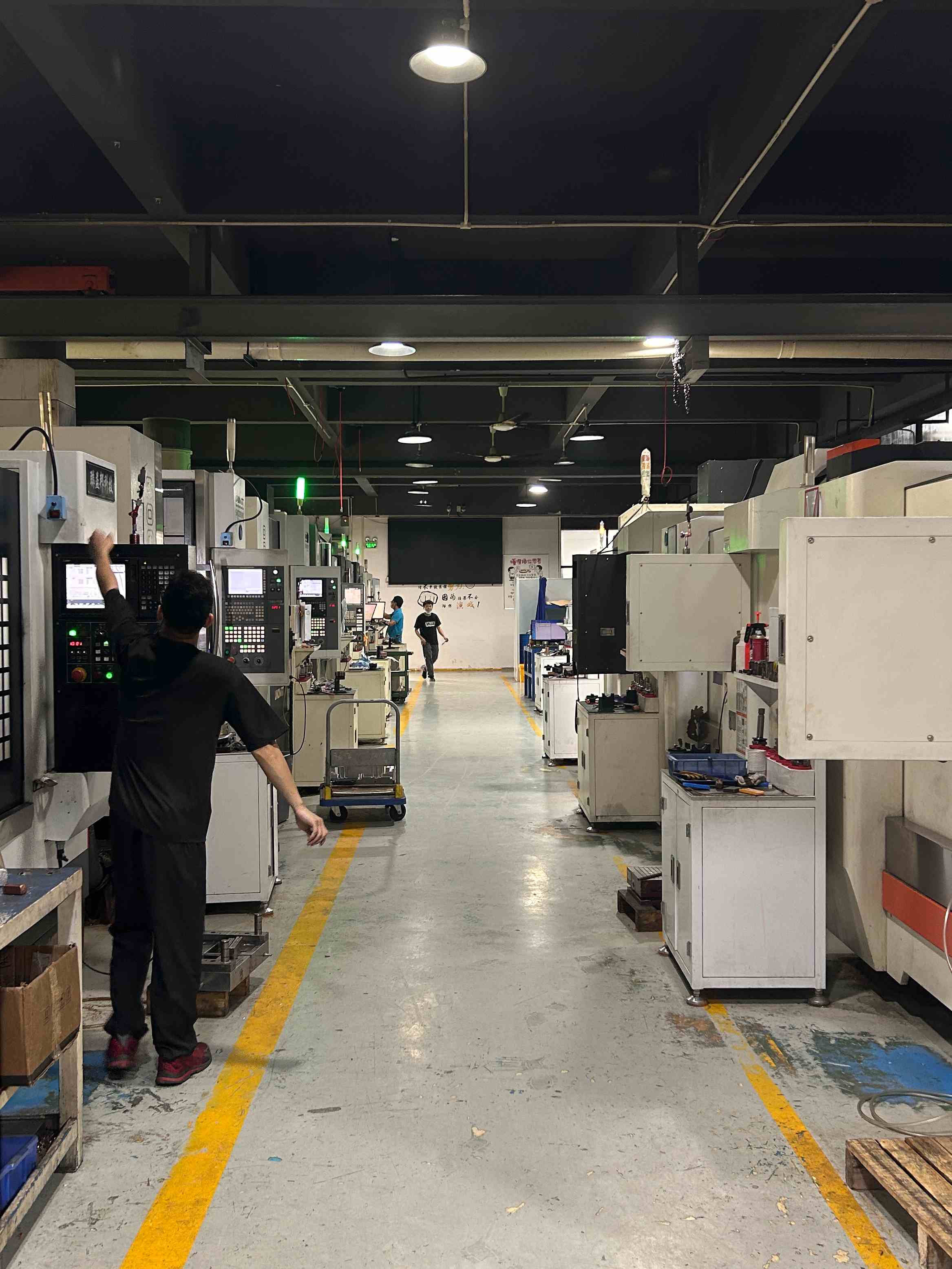
The Haina factory is equipped with more than 10 imported CNC machine tools, because we are committed to high-precision processing and have a wide range of involvement.
Our CNC service:CNC Machining - hainamould Mould Company Limted
If you are looking for a manufacturing partner that understands materials and can handle complex hot work mold development and precision processing, please feel free to contact us at any time.
Start Your Project Now
📧 Email: ciky@hainamould.com
🌐 Website: https://www.hainamould.com/Contactus/SendMessage
👉 Submit Your Drawings for a Free Technical Evaluation and Quote
(Please upload your 3D/2D drawings, material specifications, estimated quantity, and delivery requirements. We will respond within 24 hours.)

0086 0755 23170739
0086-0755-24325235
ciky@hainamould.com
Room 1605, 16th Floor, Hongyu Building, No. 495, Donghuan 2nd Road, Longhua Subdistrict, Longhua District, Shenzhen, Gongdong ,China 518109


Copyright 2026 Hainamould.com All rights reserved.
-
 0086 0755 23170739
-
 Facebook
-
 WhatsApp
-
 LinkedIn
-
 TOP