CNC Machining
CNC machining and 3D printing are two of the most widely used digital manufacturing technologies, but their operation methods are fundamentally different.
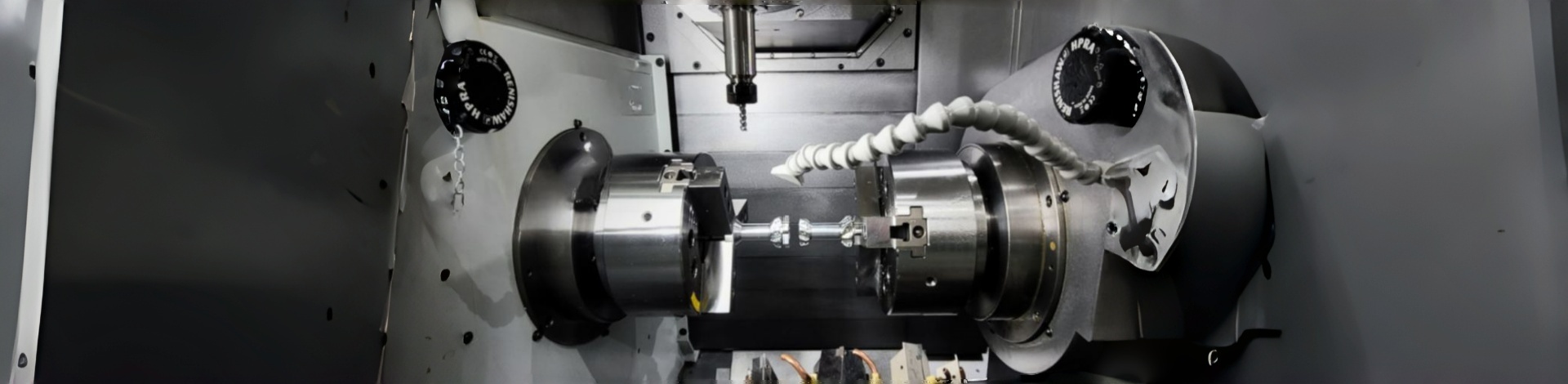
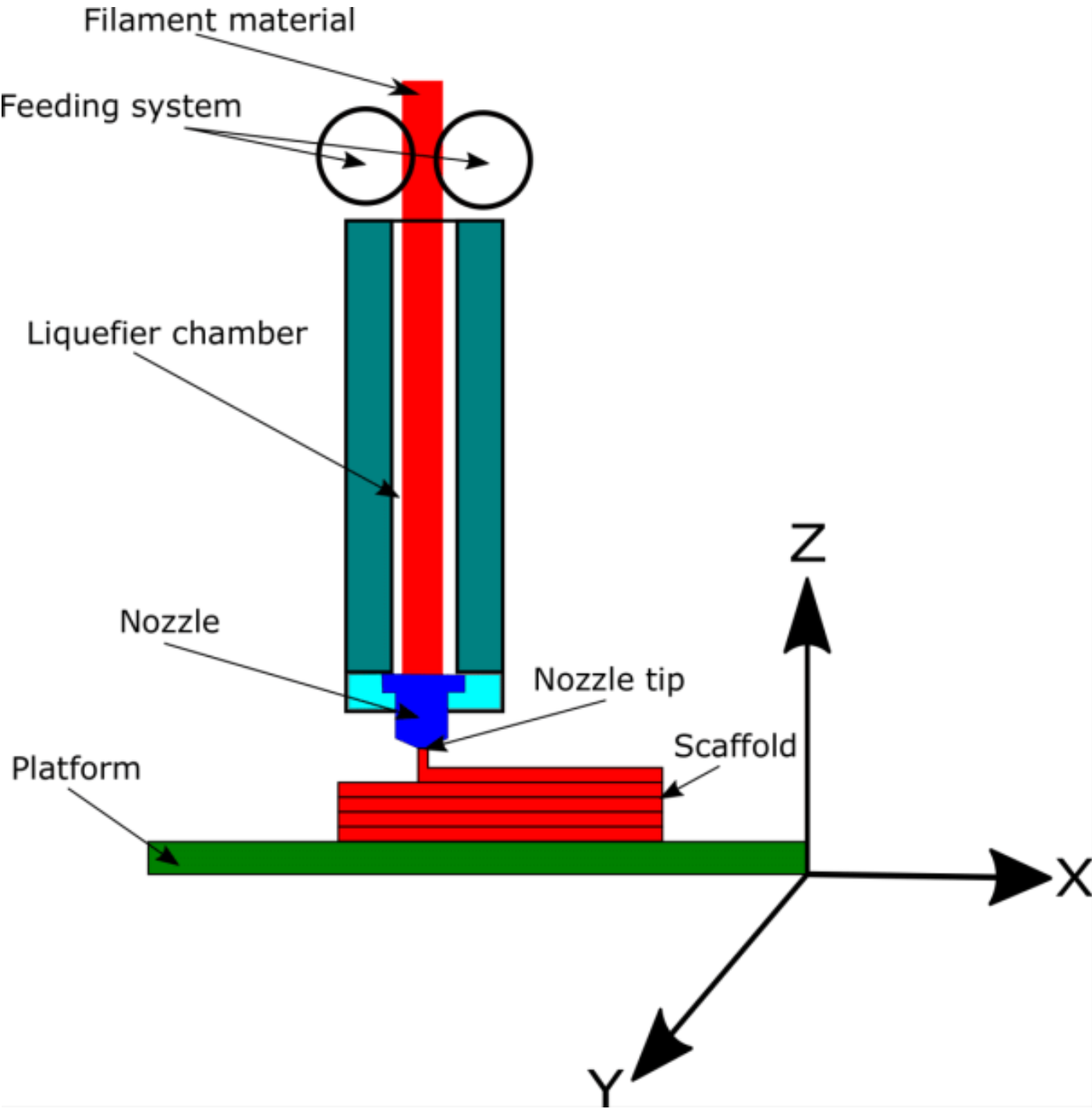
CNC machining is a widely applied subtractive manufacturing process. It uses a rotating cutting tool to precisely process a solid raw material (called a blank) into finished or near-finished parts.
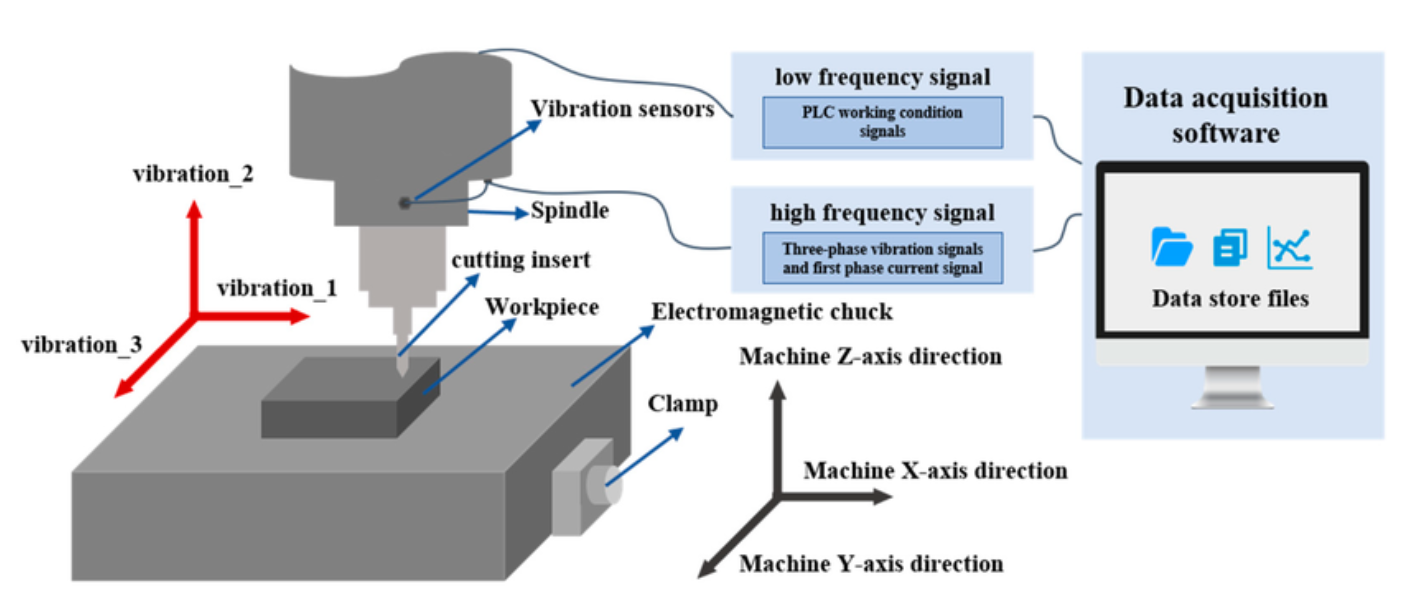
In contrast, 3D printing (3DP) - also known as additive manufacturing (AM) - builds parts layer by layer based on digital designs. It does not require custom molds or fixtures, making it an economical and efficient choice for rapid prototyping and small-batch production, especially suitable for situations that require design flexibility or complex geometries.
Let's use an interesting story to distinguish their respective advantages.
Suppose we want to make 100 "etched lotus balls" (with complex water channels inside and an engraved and hollowed-out appearance, made of ordinary stainless steel)
We invited two contestants to compete:
• CNC teacher
• 3D printing teacher
Round 1: Make one sample
The CNC teacher took a solid steel ingot, programmed it, fixed it, and started the machine. The milling cutter spun rapidly. After 8 hours, a delicate hollowed-out ball was produced, with a smooth surface like a mirror.
The 3D printing teacher started the machine, spread a layer of metal powder, and used a laser to burn it. The powder turned into a solid layer, and this layer was stacked layer by layer. After 12 hours, the part was indeed produced, but the surface felt a bit rough, like sandpaper.
Round 1: The old CNC teacher won. It was fast and had a high surface finish.
Round 2: Creating Internal Complex Channels
The CNC technician looked at the drawing and said, "The milling cutter is straight. When encountering internal channels that need to turn or be at a right angle, the tool simply cannot reach inside. If forced to process, one would have to drill from the outside, complete the process, and then find a way to seal it. Not only is the process cumbersome, but it can also easily affect the consistency and sealing of the parts."
The 3D printing teacher said, "The laser can reach any designated position, melting and solidifying the metal powder layer by layer. The final formed part has internal channels that are seamlessly integrated with the external structure."
Round 2: The 3D Printing Wins. Complex Structures, 3D Printing Is Naturally Good At.
Round 3: Produce 100 units
The CNC teacher adjusted the program, and the machine automatically clamped and cut the material. On average, it took 30 minutes to produce one unit, and it could produce over a dozen units in a day. The material utilization rate was high, and the waste was directly recycled. With 100 orders, it could be completed within one week.
The 3D printing teacher also took on the orders. It took 2 hours to print one, and 200 hours for 100 units, which was nearly 9 days. Moreover, the powder consumption was high, and the cost was also high.
Round 3: The old CNC teacher won. In terms of production speed and cost, the CNC teacher completely outperformed the others.
Finally, we all agreed that both of them are masters, but they excel in different areas.
Although CNC machining and 3D printing are different, they often overlap in application scenarios, especially in the production of plastic and metal prototypes and functional final parts.
How to choose the appropriate manufacturing technology?
Choosing the appropriate manufacturing process depends on various factors, including the complexity of the part, the production volume, the budget, delivery time, and material requirements.
Which of the two, 3D printing or CNC machining, can offer higher dimensional accuracy?
If dimensional accuracy is the primary consideration, CNC machining typically outperforms 3D printing. CNC machining can provide high precision, excellent repeatability, and strict tolerances, suitable for various size parts ranging from micro components to large structural pieces. Although the internal angles of CNC machining are usually rounded due to the limitations of the tool geometry, the external features can be very sharp and can be processed into extremely thin contours with extremely high precision.
On the other hand, the accuracy of 3D printing depends on the technology and machine used. Industrial additive manufacturing systems (such as SLA, SLS, or DMLS) can achieve excellent tolerances, but usually cannot match the precision of CNC machining. For parts with strict tolerances or critical dimensions, a common approach is to enlarge the printing area first and then use CNC machining for post-processing.
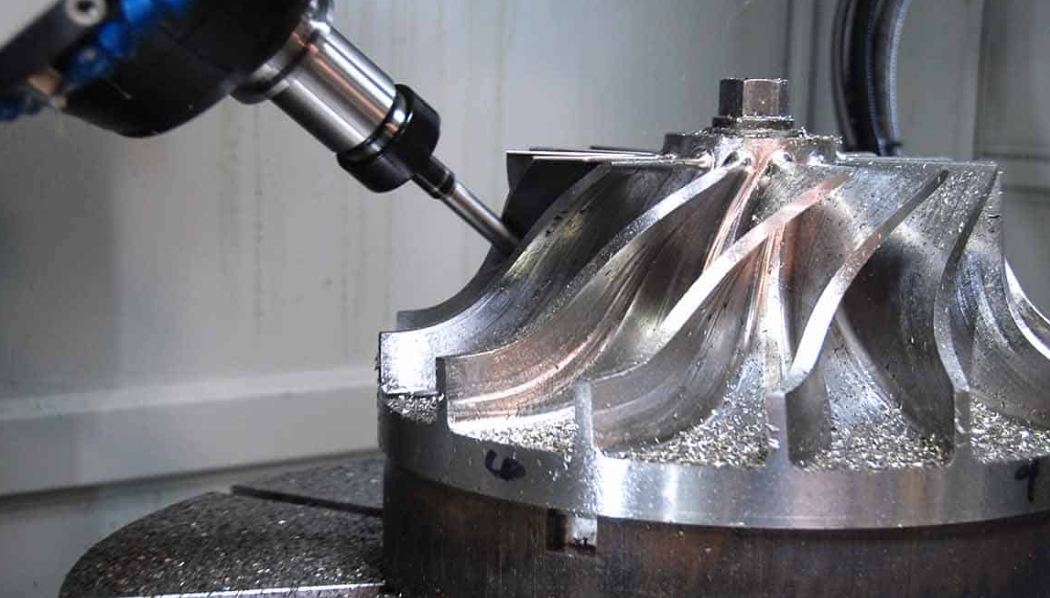
When to choose CNC machining:
• Your production volume is medium to high (typically 250-500 parts or more).
• Your part design has simple or medium complexity of geometry.
• You need strict tolerances and excellent mechanical properties.
• You are processing metal parts, and dimensional accuracy is crucial.
When to choose 3D printing:
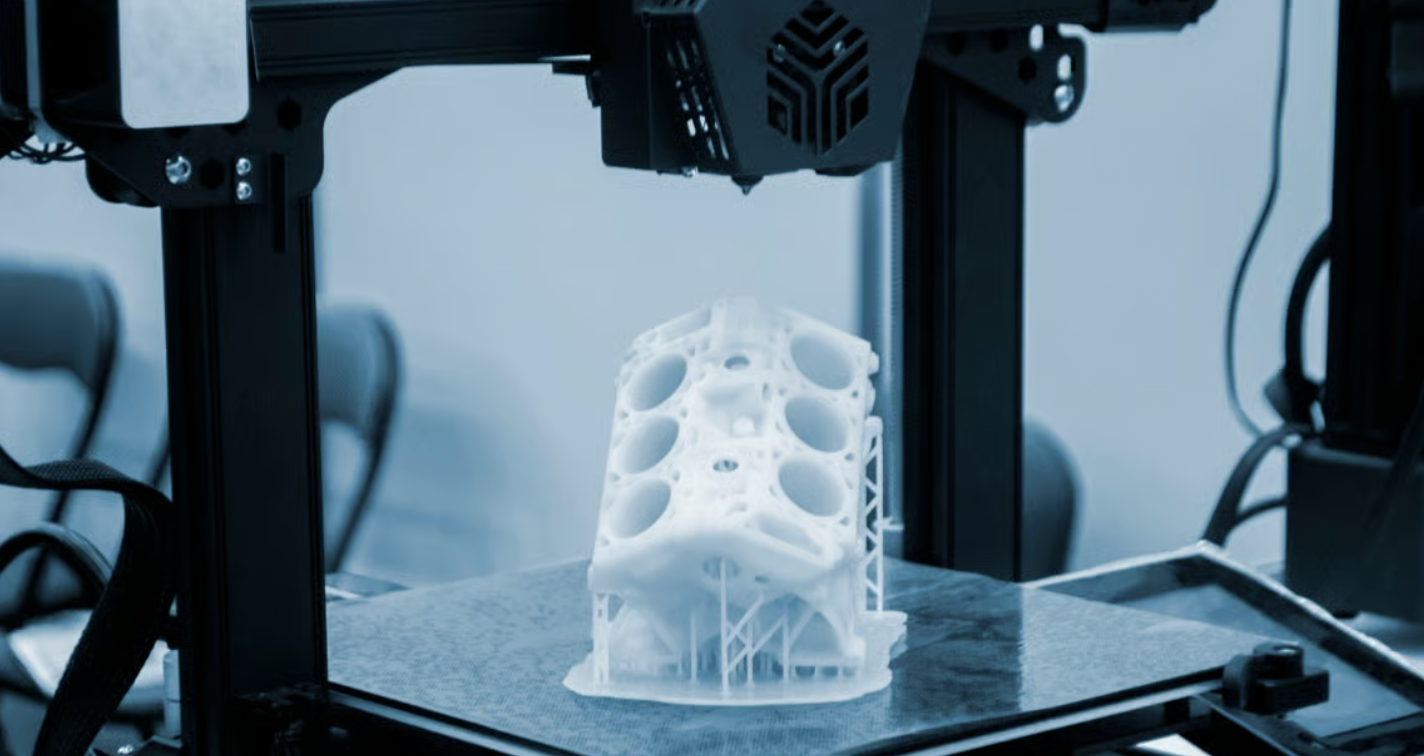
• You are producing small batches, single parts, or prototypes.
• Your parts require highly complex, organic, or topology-optimized geometries.
• You need fast turnaround time and lower upfront costs.
• You are processing materials that are difficult to machine, such as TPU or metal high-temperature alloys.
When to consider other technologies:
• If you need to print or machine 500 or more identical parts, then switching to injection molding or other shape-based manufacturing methods may be more cost-effective.
• In some cases, a hybrid approach - combining CNC or 3D printing with molding or casting - can provide the best balance of cost, speed, and scalability.

0086 0755 23170739
0086-0755-24325235
ciky@hainamould.com
Room 1605, 16th Floor, Hongyu Building, No. 495, Donghuan 2nd Road, Longhua Subdistrict, Longhua District, Shenzhen, Gongdong ,China 518109


Copyright 2026 Hainamould.com All rights reserved.
-
 0086 0755 23170739
-
 Facebook
-
 WhatsApp
-
 LinkedIn
-
 TOP
TOP