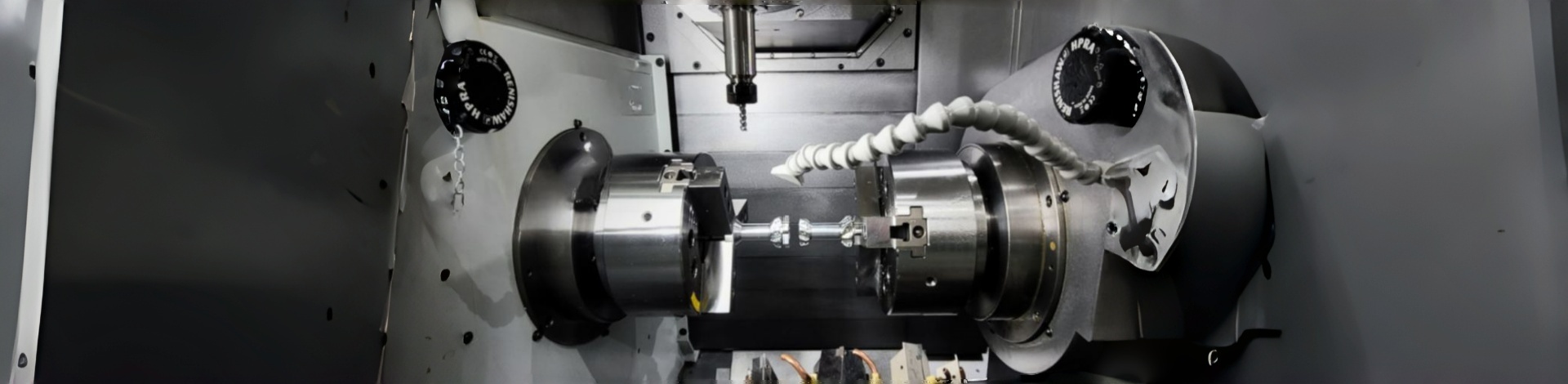
CNC Machining
In CNC machining, when the parts are taken off the machine, their surfaces usually have minor scratches and burrs. Surface treatment is a "fine decoration" for these semi-finished products. Depending on different application scenarios (such as consumer electronics, medical, aerospace), it is mainly divided into three categories: mechanical treatment, chemical/electrochemical treatment, and coating technology.
1. Mechanical surface treatment
This type of process mainly changes the surface texture through physical grinding or impact, without altering the chemical properties of the material.
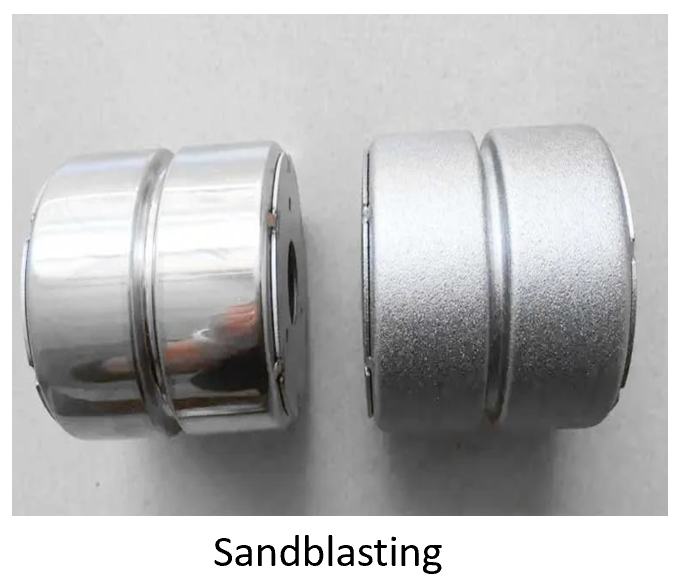
•Sandblasting/shot peening: Using high pressure to spray glass beads or fine sand onto the surface, creating a uniform matte (sanded) texture.
•Roughening: Using a sand belt to brush out linear patterns on the surface. Commonly used in stainless steel and aluminum alloys, giving the metal
an industrial texture.
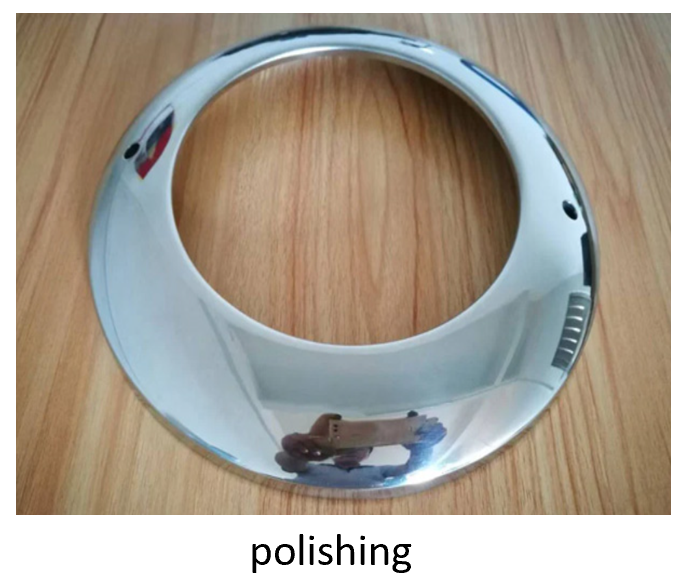
•Polishing: Through mechanical grinding with polishing paste to achieve a mirror-like effect. Mirror polishing has high reflectivity and is used for
decorative parts; transparent polishing is specifically used for plastics such as PMMA (acrylic), restoring high transparency.
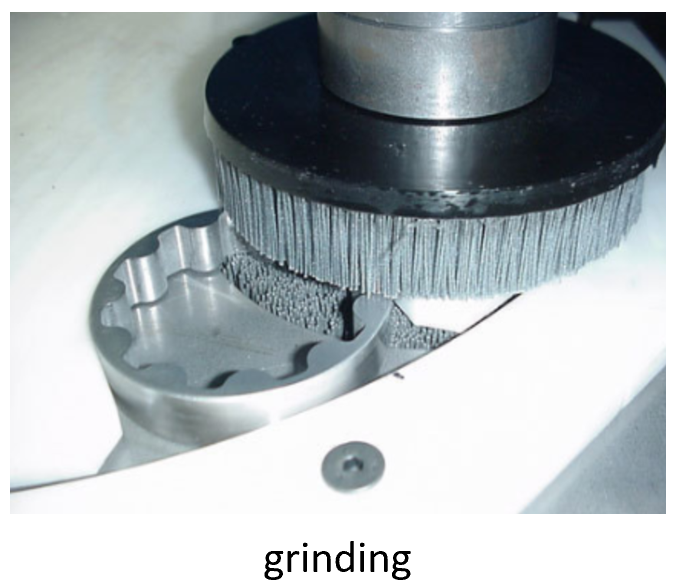
•Grinding/ deburring: Removing sharp burrs at the edges of the parts to ensure safe and smooth assembly.
2. Chemical and Electrochemical Treatment
This type of process generates a new surface layer through chemical reactions, and is commonly used for metals such as aluminum and steel. It is a common method for functional treatment.
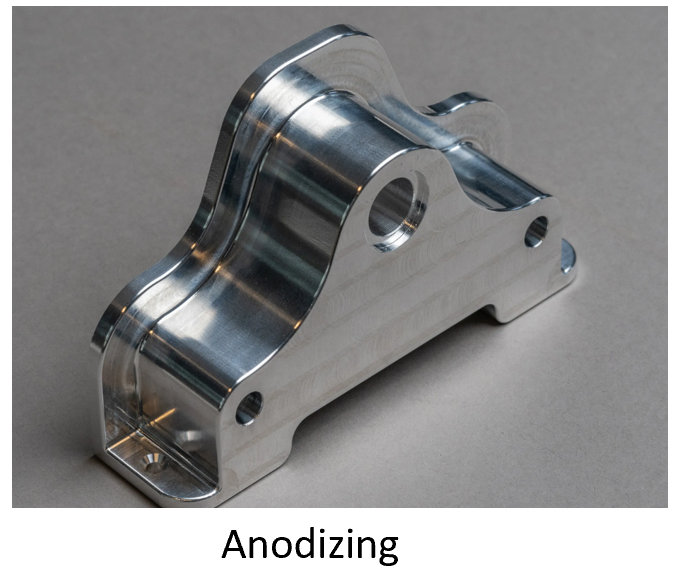
• Anodizing: The most mainstream process for aluminum parts. It forms a hard and porous oxide film on the surface of the part.
i. Ordinary anodizing: Can be colored in various colors such as black, red, and gold, increasing corrosion resistance.
ii. Hard anodizing: The oxide film is extremely thick and hard, very wear-resistant, often used for firearms, mechanical guides, and other components that need to withstand severe wear.
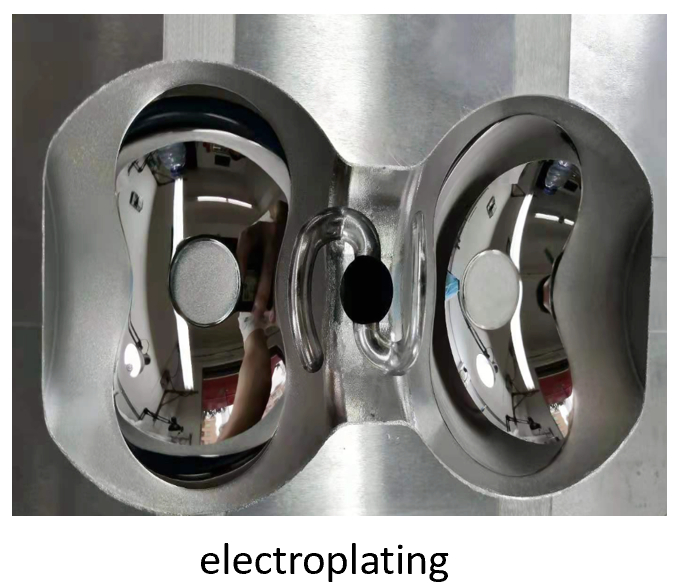
• Electroplating/Chemical plating: Gathers a layer of other metals such as chromium, nickel, and zinc on the metal surface. Advantages: Rust prevention and bright appearance, increasing surface hardness.
• Blackening/Blackening treatment: Forms a dense black oxide film on the surface of steel, often used for tools and fasteners, preventing rust and not reflecting light.
• Passivation: Mainly used for stainless steel. Through acid washing to remove free iron on the surface, a protective film is formed, greatly enhancing corrosion resistance (rust resistance).
3. Surface Coatings and Markings
• Screen Printing/Transfer Printing: Applying logos or identification ink onto flat or curved surfaces.
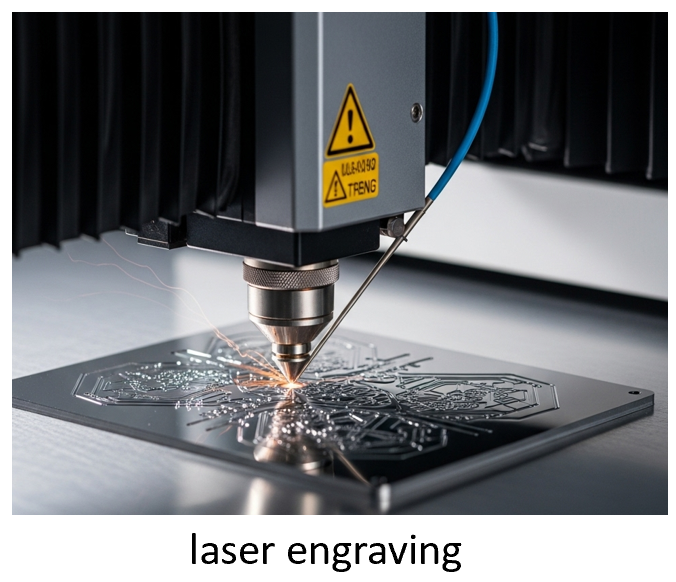
• Laser Engraving: Using a laser to ablate the surface, creating permanent, high-contrast serial numbers or logos that are resistant to wear and do not fade.
• Powder Painting: Applying plastic powder and then baking it to solidify, resulting in an extremely thick textured coating that is very durable.
4. High-Precision Machining
• Grinding: A precision processing method that significantly improves the flatness and parallelism of parts (making the surface smoother),
with a surface roughness of Ra 0.4, often used for precision components requiring sliding fit.
• Rolling: By pressing the metal surface, it becomes denser and smoother, enhancing fatigue strength.

0086 0755 23170739
0086-0755-24325235
ciky@hainamould.com
Room 1605, 16th Floor, Hongyu Building, No. 495, Donghuan 2nd Road, Longhua Subdistrict, Longhua District, Shenzhen, Gongdong ,China 518109


Copyright 2026 Hainamould.com All rights reserved.
-
 0086 0755 23170739
-
 Facebook
-
 WhatsApp
-
 LinkedIn
-
 TOP
TOP