

Automobile parts
To be honest, when I first heard about "plastic substitution for steel", I also thought it sounded rather unreliable. Plastic? That stuff that ages when exposed to the sun and breaks when bent with force? Could it be used to make cars? This can't be a joke, can it?
But after further investigation, I discovered that "plastic" is no longer what we usually think of as plastic.
If you pry open the rear door inner panel of a modern electric vehicle or touch the cover of its battery pack, you will likely feel a material with a smooth texture and a light weight. It's not iron or aluminum; it's an engineering plastic reinforced with glass fibers.
The engineering plastic reinforced with glass fibers has already surpassed ordinary steel in strength (the same weight, who can withstand more construction). Many of them are injection-molded from plastic - nearly half lighter than steel, not prone to rust, and can spring back after a minor bump.
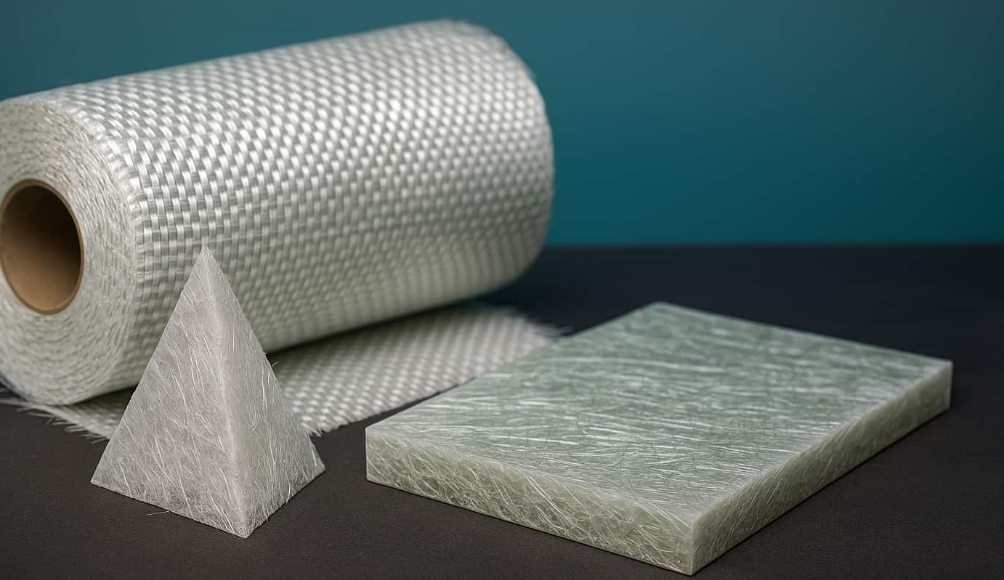
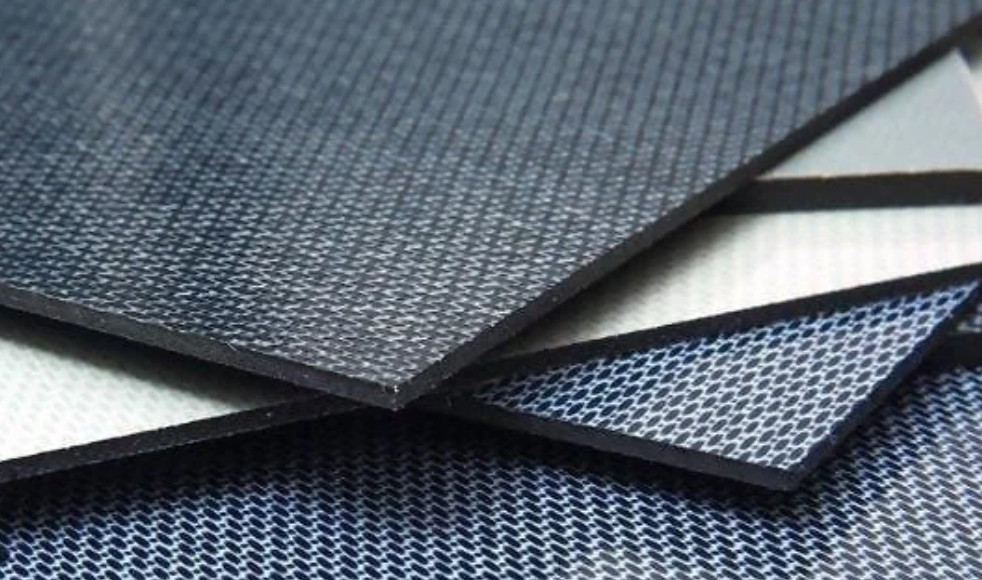
But plastic has a natural weakness: the weld lines.
Where the two plastics meet in the mold, there will be a "scar" - the strength may only be 80% of the surrounding material. Fortunately, now we can use computer simulations to predict and cleverly avoid it, just like predicting the skills of a boss in a game.
Where is the limit?
The recent concept car showcased by Tesla is said to use a certain polypropylene composite material, claiming a strength three times that of steel, yet weighing only 60% of its weight. Whether it's true or not, this direction is correct: blending carbon fibers and glass fibers in a certain ratio, like adding steel bars and stones to concrete, to construct a three-dimensional framework. Carbon fibers provide strength, glass fibers provide toughness, and the resin in the middle holds everything together.
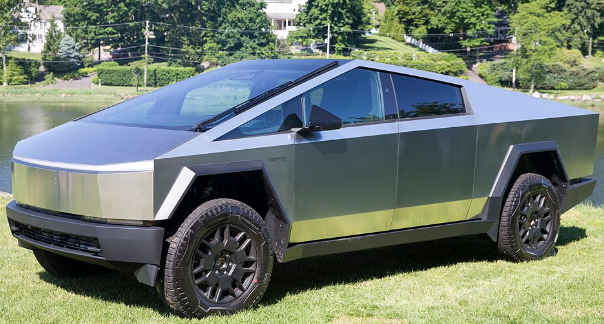
My understanding is that the limit of plastic does not lie in how strong it is, but in whether we can accurately predict when it will fail. Metallic properties are stable, but plastic changes unpredictably with temperature, humidity, and the speed of force application.
What is not usable today may become standard equipment in five years. As for how far it can go? Don't rush to draw conclusions. Maybe one day even engine pistons will have plastic versions - then auto repair technicians will have to learn new skills.

0086 0755 23170739
0086-0755-24325235
ciky@hainamould.com
Room 1605, 16th Floor, Hongyu Building, No. 495, Donghuan 2nd Road, Longhua Subdistrict, Longhua District, Shenzhen, Gongdong ,China 518109


Copyright 2026 Hainamould.com All rights reserved.
-
 0086 0755 23170739
-
 Facebook
-
 WhatsApp
-
 LinkedIn
-
 TOP
TOP