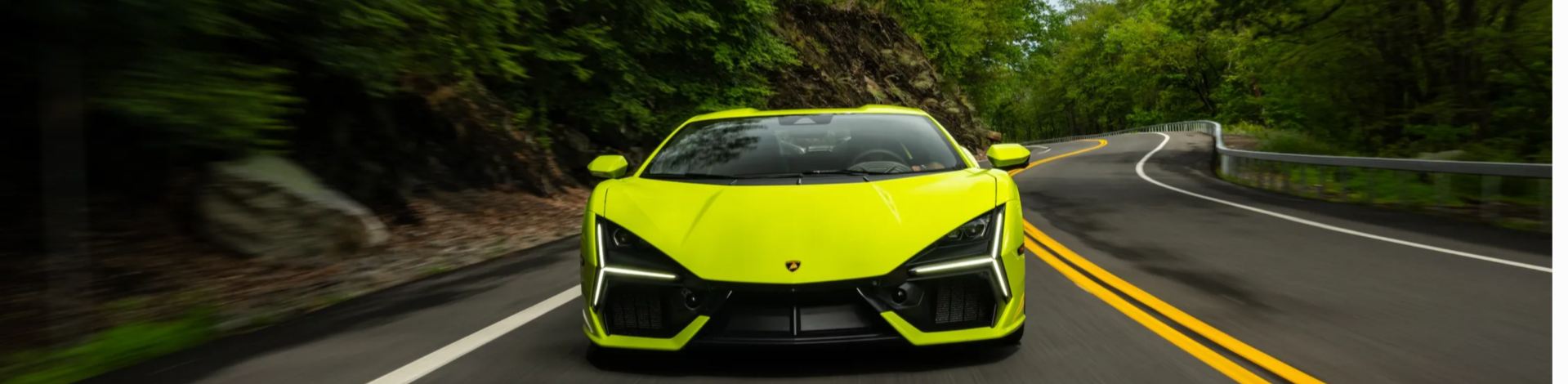
Automobile parts
Anyone who has worked with large injection-molded parts like automotive bumpers or instrument panels knows that warpage is a massive headache. You finally get the mold built, run a trial, and the part comes out twisted like a wrung towel, or curled up on the edges with a sunken middle—completely unusable. These are all common pitfalls in actual production.
The root cause of warpage comes down to one word: uneven shrinkage.
Imagine a piece of plastic cooling inside a mold. Some areas cool quickly, others cool slowly. The areas that cool fast solidify first, while the slower areas are still shrinking. This differential pulls and bends the part. Large parts with uneven wall thickness are especially prone to this problem.
Specifically, here are a few common causes:
·Wall thickness varies too much—thick areas cool slowly, thin areas cool quickly
·Uneven mold temperature distribution—some zones are hot, others cold
·Poor gate location—filling sequence creates stress concentration
·Uneven ejection forces—pushing the part out crooked
So what can you do? Start with these approaches:
—First, address the root cause at the design stage.
Keep wall thickness as uniform as possible, especially at the base of ribs and bosses—use radius transitions to avoid sudden thickening. For areas where thick walls are unavoidable, consider core-out or rib-reduction designs.
Part geometry also matters. Large flat surfaces warp easily. Adding ribs or incorporating curved surfaces increases rigidity and reduces deformation.
—Second, pay close attention to the mold cooling system.
For large-part molds, cooling channels should follow the part contour—add more cooling lines near gates and thick sections. An even better approach is conformal cooling, where channels closely follow the part's curved surfaces for more uniform cooling.
One often overlooked factor: temperature balance between mold halves. If the core and cavity temperatures differ too much, the two sides will shrink differently after ejection—and your part comes out bent like a banana.
—Third, fine-tune your process parameters.
Excessive injection pressure or prolonged packing pressure increases internal stress and worsens warpage. Sometimes, reducing packing pressure or shortening pack time actually gives better results.
Cooling time is also critical. Ejecting before the part is fully cooled and set will definitely cause warpage. But too long a cooling cycle hurts productivity—you need to find the right balance.
Here's a tip: adjust the mold temperature distribution. If your part warps in a certain direction, try raising the mold temperature on that side—slower cooling there can often correct the warp.
—Fourth, don't overlook ejection and post-processing.
Ejector pin placement should be uniform. For large parts, too few pins or poor positioning creates localized stress during ejection, directly causing deformation.
If warpage persists, consider using a fixturing jig. Place the still-warm part into a restraint fixture right after ejection, hold it in place as it cools, and forcibly correct the shape. Many mold shops use this method—it adds one extra step, but it's far better than scrapping parts.

0086 0755 23170739
0086-0755-24325235
ciky@hainamould.com
Room 1605, 16th Floor, Hongyu Building, No. 495, Donghuan 2nd Road, Longhua Subdistrict, Longhua District, Shenzhen, Gongdong ,China 518109


Copyright 2026 Hainamould.com All rights reserved.
-
 0086 0755 23170739
-
 Facebook
-
 WhatsApp
-
 LinkedIn
-
 TOP
TOP