

Company News
The materials used in precision processing are quite diverse. They mainly fall into two categories: metals and plastics.
I. Metal materials
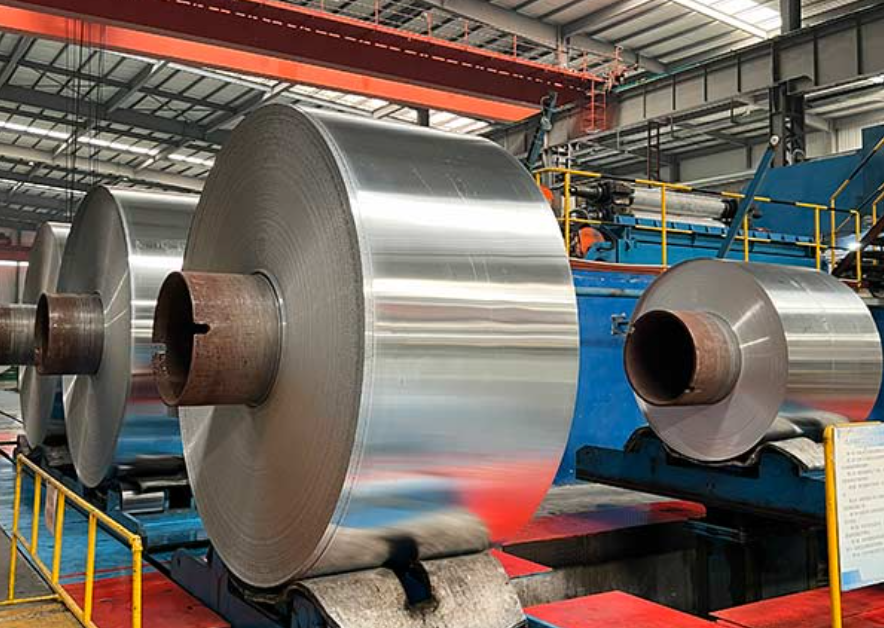
1. Aluminum alloys
Aluminum alloys are one of the most commonly used materials in precision processing, with high cost-effectiveness.
• 6061: The most versatile aluminum material, with balanced strength, corrosion resistance, and machinability. It can be used for any part.
• 7075: Has significantly higher strength than 6061 and is more commonly used in aviation and high-end sports equipment.
• 5052: Has particularly good corrosion resistance and is suitable for applications in coastal environments, such as shell covers, etc.
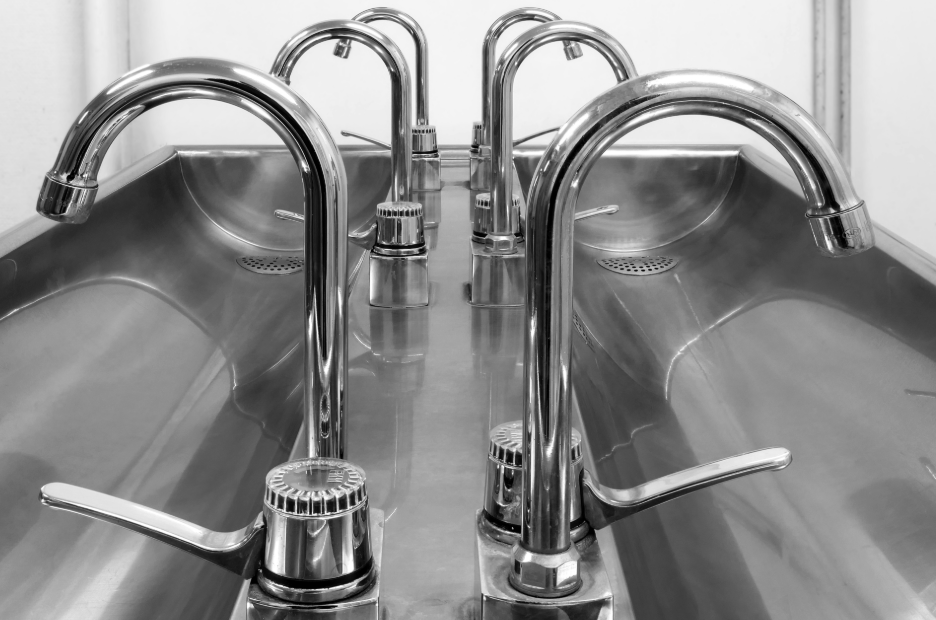
2. Stainless steel
The advantages of stainless steel are its corrosion resistance and high strength, resulting in good quality of the processed parts.
• 304: The most common stainless steel, suitable for both exterior and structural components.
• 316: More resistant to corrosion than 304, especially in coastal and chemical environments. However, it is also more expensive.
• 303: Contains sulfur, which makes it particularly easy to machine and suitable for small parts that require batch turning.
3. Titanium Alloy
The strength-to-weight ratio of titanium alloy is very high. It is also corrosion-resistant and has good biocompatibility, so it is widely used in medical, aviation, and military fields. However, its processing difficulty is high and the cost is relatively high.
4. Other Metals
• Brass/Copper: Good electrical and thermal conductivity, easy to process. Commonly used in electronic components, pipe joints, and decorative parts.
• Malleable Iron: With sulfur or lead added, it has particularly good processing performance and is suitable for making small precision parts such as screws and sleeve bearings.
II. Plastic Materials
1. POM (Polymethyl Methacrylate/Special Steel)
This plastic has high strength, wear resistance, and good self-lubrication properties. It is often used to replace metals for gears, bearings, and mechanical arm parts.
2. Nylon (PA6)
Nylon is wear-resistant and has good toughness. It is also commonly used for gears, bearings, and other parts that need to withstand certain impacts.
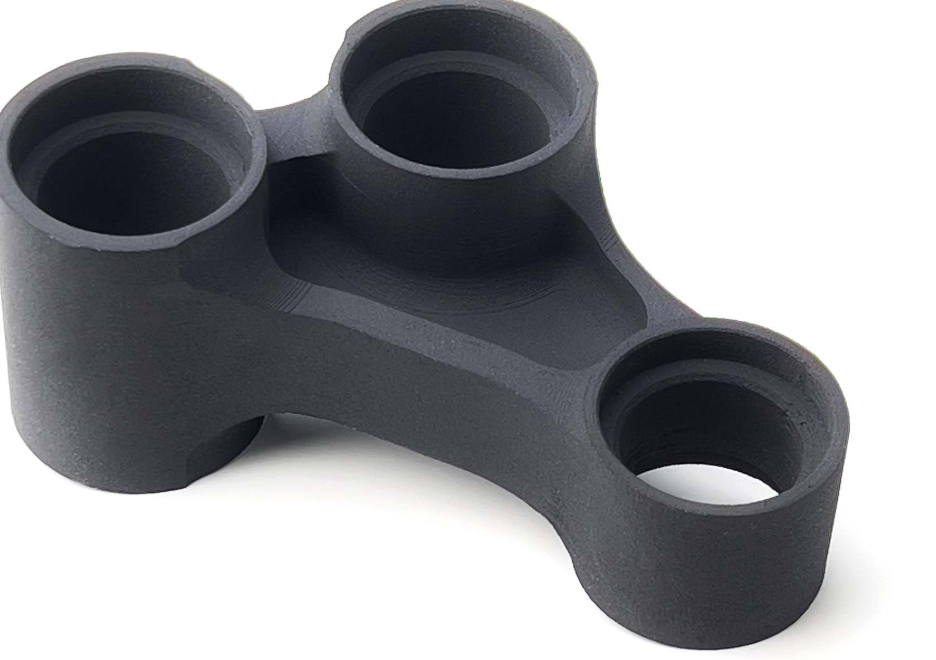
3. Other Engineering Plastics
• ABS: Good strength and toughness. Commonly used in automotive parts and electronic enclosures.
• PC (Polycarbonate): Transparent, impact-resistant. Used for lamp covers, optical parts, and equipment enclosures.
• PMMA (Acrylic): High transparency. Widely used in optical and lighting products.
4. Composite Materials
• Carbon Fiber: Lightweight and high in strength. More commonly used in high-end sports equipment, automobiles, and aviation.
• FR4/Epoxy: Good insulation properties. Commonly used in circuit boards and electrical parts.
III. Special Materials
1. Engineering Ceramics
Materials such as alumina and silicon nitride, which are highly hard, resistant to high temperatures and wear. They are used in parts operating in extreme environments. However, they are difficult to process and relatively brittle.
2. Mold Steel
Steel types used for injection molding molds and die-casting molds, such as P20, H13, and S136, require high hardness, high wear resistance, and good heat treatment performance.

0086 0755 23170739
0086-0755-24325235
ciky@hainamould.com
Room 1605, 16th Floor, Hongyu Building, No. 495, Donghuan 2nd Road, Longhua Subdistrict, Longhua District, Shenzhen, Gongdong ,China 518109


Copyright 2026 Hainamould.com All rights reserved.
-
 0086 0755 23170739
-
 Facebook
-
 WhatsApp
-
 LinkedIn
-
 TOP
TOP