
Company Blogs
In modern industrial manufacturing, rotational symmetric parts - ranging from shafts, discs to complex connector housings - are ubiquitous. One of the key technologies for producing these parts is CNC turning.
When the processing accuracy needs to reach the micrometer level, the materials range from stainless steel to high-temperature alloys, and the batch sizes go from prototypes to millions of pieces, advanced CNC turning services become the most reliable solution for engineers.
What is CNC turning?
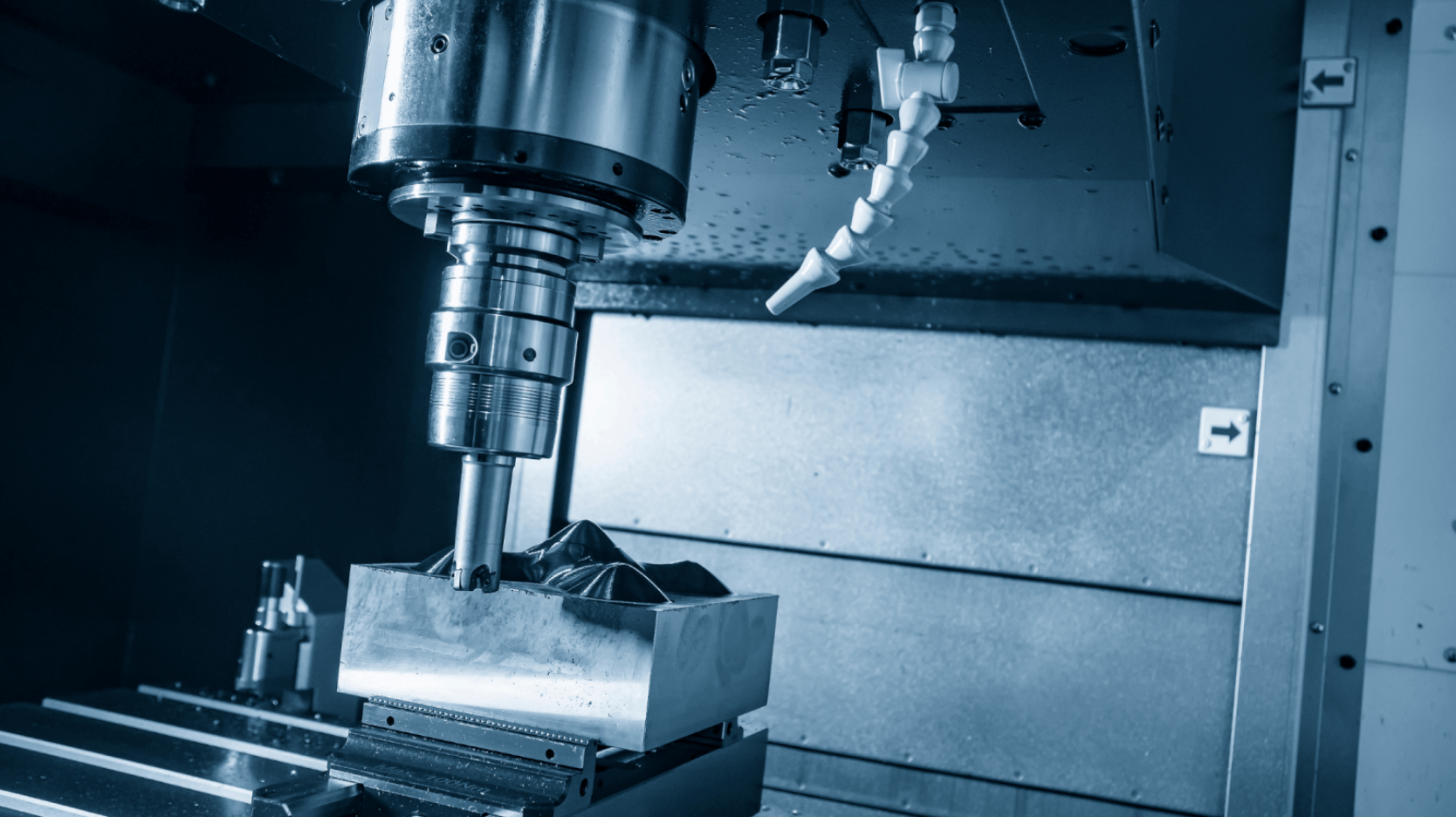
CNC turning is a subtractive manufacturing process: the workpiece rotates at high speed under the drive of the spindle, and the cutting tools fixed at different tool positions move axially or radially to cut the material into the desired shape.
Unlike traditional manual lathes, CNC turning is precisely controlled by a computer for each motion axis (usually the X-axis and Z-axis, with the turning center that powers the cutting tool adding the C-axis and Y-axis), enabling stable and repetitive production of complex geometric shapes of parts.
Why is modern industry unable to do without precision CNC turning?
1. Extremely high precision and repeatability
Precision CNC turning can maintain a stable diameter tolerance of ±0.005mm (5 micrometers) or even tighter, and the roundness and surface roughness (Ra) can reach extremely high levels. This consistency is crucial for mass production requiring interchangeability.
2. Suitable for various materials
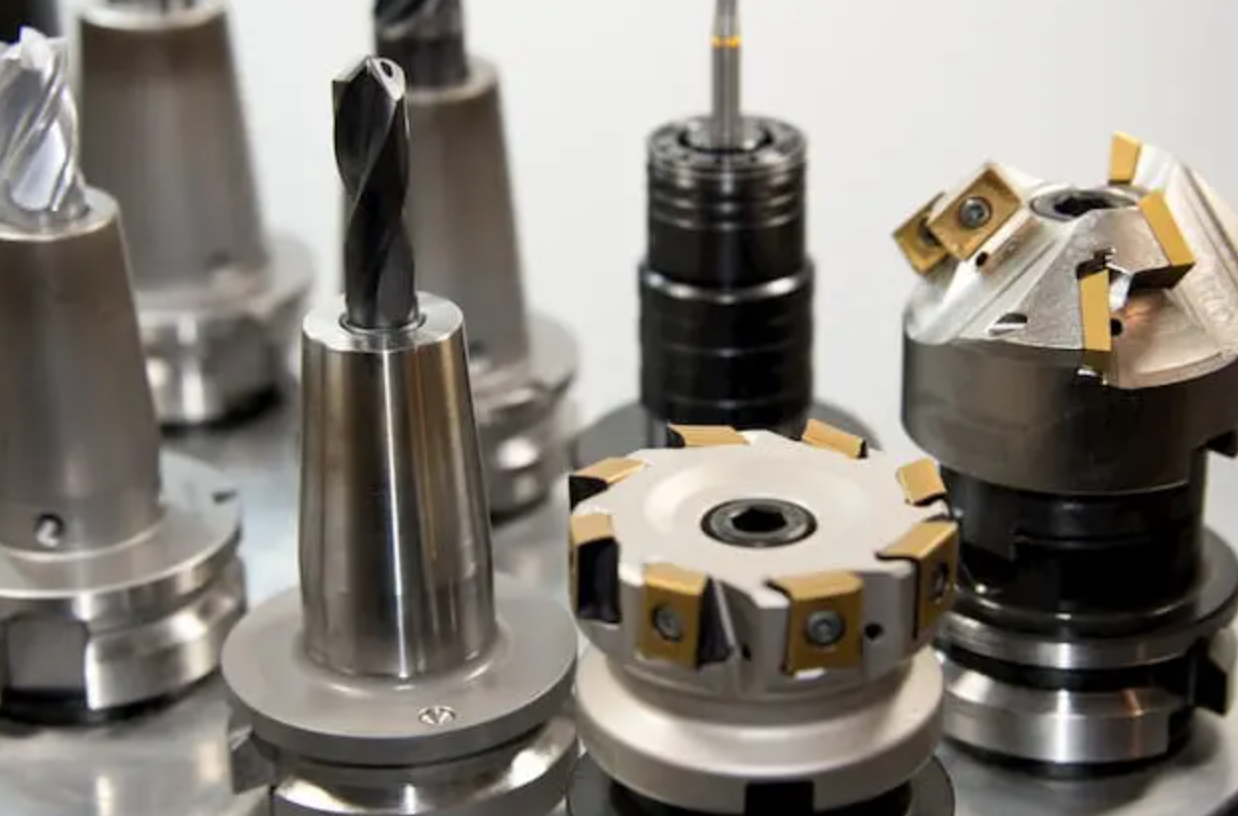
From easily machinable brass and aluminum alloys, to difficult-to-machine stainless steel, titanium alloys, and Inconel (chromium-nickel-iron alloys) for high-temperature alloys, CNC turning can handle them all. Just select the appropriate tool coatings and cutting parameters.
3. Complex features can be completed in one setup
With a turning center equipped with a power tool holder and a Y-axis, multiple processes such as turning, milling, drilling, and tapping can be combined. Parts that previously required multiple setups can now be completed in one go, improving accuracy and shortening the cycle time.
4. Seamless transition from prototype to mass production
CNC turning does not require special tooling (except for simple clamps or spring clamps), so it is also suitable for 1 prototype and 100,000 pieces of mass production. This flexibility enables it to play a role in all stages of product development.
The core capabilities of advanced CNC turning services
A CNC turning service provider with advanced capabilities typically should possess the following characteristics:
• Multi-axis turning centers: At least equipped with a Y-axis turning center with power tools, capable of completing complex features such as eccentric milling and side drilling.
• Centering turning: For slender shaft parts (with diameters usually ranging from φ1 to 32mm), centering machines combined with guide sleeves can achieve extremely high aspect ratios for processing, suitable for small precision parts in the medical and electronic industries.
• Online inspection and compensation: During the processing, the measuring head detects key dimensions in real time and automatically performs tool compensation to ensure batch consistency.
• Automatic bar feeding machine: Enables long-term unmanned operation, reducing single-piece costs.
Typical application industries
Aerospace: Joints, sleeves
Medical devices: Implants, endoscope parts, bone screws
Automotive industry: Sensor housings, steering system parts
Electronics/semiconductors: Connector terminals, heat sinks, vacuum chamber parts
Robotics/automation: Close couplings, cylinder parts
Material examples: Titanium alloys, aluminum alloys, bearing steels, stainless steel 304/316L, etc.
The key criteria for choosing CNC turning: Does the part have rotational symmetry features? Is the precision requirement higher than ±0.01mm? Is the material difficult to machine? If the answer is "yes", CNC turning is usually the best choice.
Considerations when selecting an advanced CNC turning service provider
• Equipment capability: Is there a Y-axis turning center with a power tool holder? Does the maximum processing diameter and length meet the requirements?
• Quality management system: Has it passed ISO 9001 or ISO 13485 (medical device) certification? Does it have process control capabilities?
• Material supply chain: Can it provide complete material traceability (including material certificates)?
• Value-added services: Does it offer one-stop services such as heat treatment, surface treatment (anodizing, electroplating, etc.)?
Summary
Precision CNC turning is not an "outdated" technology. With multi-axis control, power tools, and automated loading and unloading, it has become a core processing method in modern industrial manufacturing that combines precision, efficiency, and flexibility.
Whether you need 10 prototypes for verification or 100,000 pieces for mass production, choosing a service provider with advanced CNC turning capabilities means you can obtain precise parts that meet the most stringent tolerance requirements in a shorter period and at a lower unit cost.
From rotational symmetry to complex features, precision CNC turning is one of the indispensable foundations of modern industrial manufacturing.

0086 0755 23170739
0086-0755-24325235
ciky@hainamould.com
Room 1605, 16th Floor, Hongyu Building, No. 495, Donghuan 2nd Road, Longhua Subdistrict, Longhua District, Shenzhen, Gongdong ,China 518109


Copyright 2026 Hainamould.com All rights reserved.
-
 0086 0755 23170739
-
 Facebook
-
 WhatsApp
-
 LinkedIn
-
 TOP
TOP