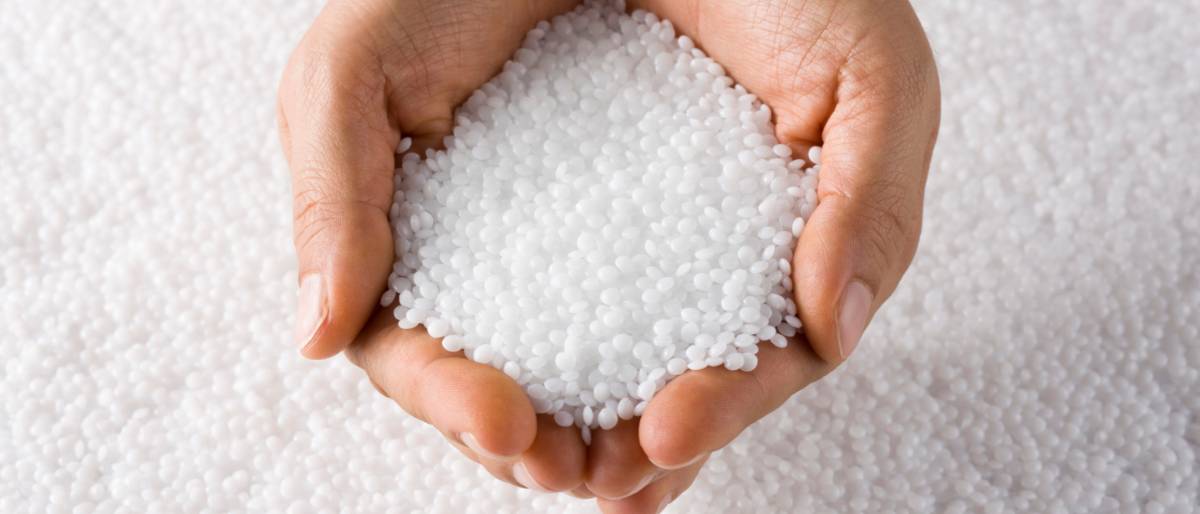
Anyone who has worked with injection molding knows the feeling: use the same mold, switch to a different plastic resin, and the part dimensions may no longer match. It might shrink, warp, fail to fill, stick to the mold, or show silver streaks. They are all "plastics," so why such big differences?

Company Blogs
Company Blogs
-
-
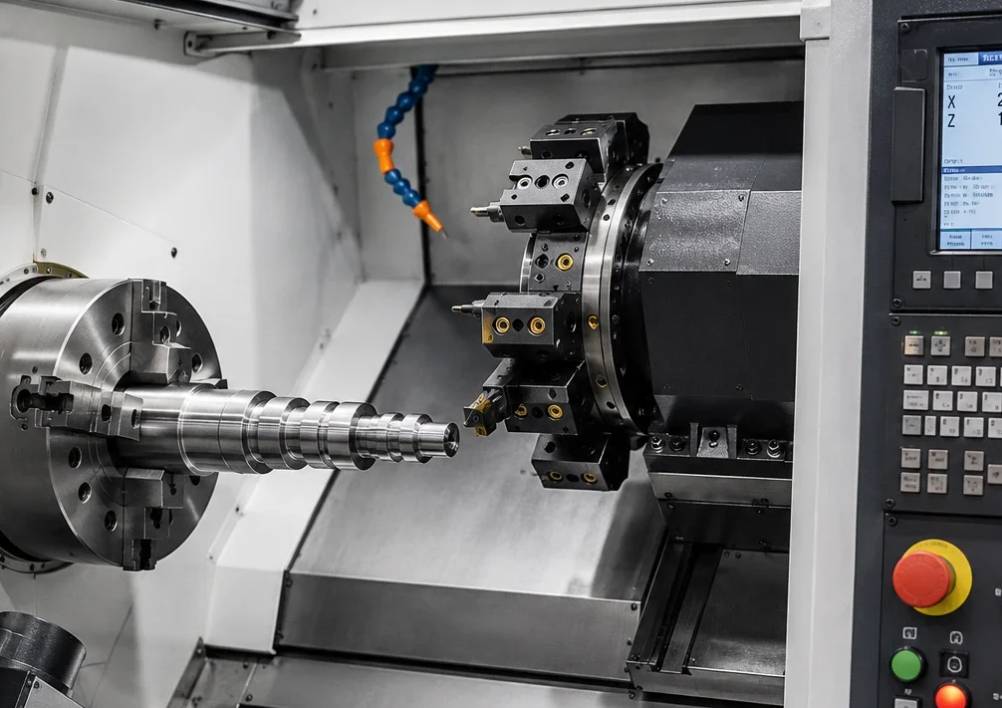
In the precision machining industry, CNC turning is one of the most fundamental and most widely used processes. It is specifically used to machine cylindrical or rotational parts, such as shafts, pins, sleeves, flanges, and valve components.
-
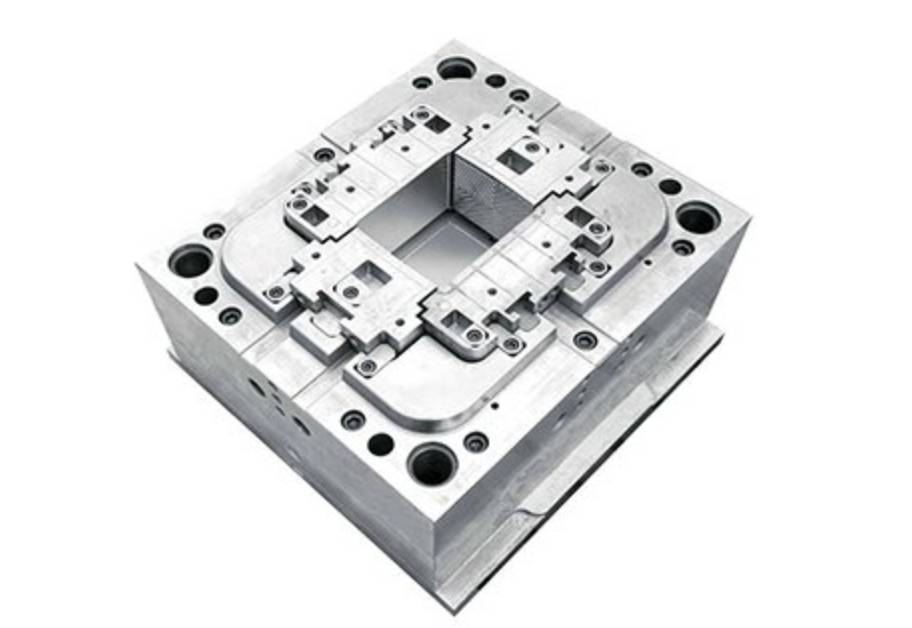
In the manufacturing industry, especially in fields like mold making, injection molding, stamping, and die casting, there is a scenario almost everyone has experienced: a new mold is finished, and you run the first trial with high expectations—only to find the product comes out with sink marks or flash, warping or short shots. Is the mold made badly? Or is my technique just not good enough? In fact, it is completely normal for a new mold to fail on its first trial run.
-

In the mold industry, the manufacturing and assembly of large injection molds is often regarded as the "litmus test" of a company's technical strength. Unlike small and medium-sized molds, large molds can weigh several tons or even tens of tons, with complex structures and numerous components. From lifting and machining to assembly, if any detail goes out of control, it can range from failing to meet precision requirements to causing safety accidents or scrapping the mold entirely.
-

In our daily lives, we encounter such products everywhere: an electric power tool handle that combines a rigid skeleton with a soft, comfortable grip; a phone case with both a sturdy frame and a skin-friendly tactile feel; automotive interior trim panels featuring fabric or leather-textured surfaces. Behind all these products lies a process known as "plastic overmolding."
-

A mold transforms from drawing to reality – design gives it its soul, while assembly brings it to life.
-

Haina Precision Tooling Co., Ltd. analyzes this for you from three dimensions.
-

Last month, Haina was invited to participate in the High-Pressure Die Casting Forum hosted by ASSAB Steels. As a comprehensive mold manufacturing enterprise, we gathered with numerous experts from the tool steel, die casting, and automotive manufacturing sectors to engage in in-depth discussions on the future of high-pressure die casting technology.
-

In the manufacturing industry's relentless pursuit of higher precision and more complex geometries, traditional 3-axis CNC machining can no longer meet all demands.
-

When machine tools are equipped with the "China Brain," the boundaries of precision and efficiency are being redefined.
-

Recently, our factory has been introduced to a new term: the "Carbon Footprint Report." Our clients are asking us to provide reports on our raw materials – but what exactly is it?
-

Molds are the core tools used in manufacturing for mass production of parts. Although their structure may appear complex, it can be clearly divided into two main functional parts: the mould base and the core & cavity.

0086 0755 23170739
0086-0755-24325235
ciky@hainamould.com
Room 1605, 16th Floor, Hongyu Building, No. 495, Donghuan 2nd Road, Longhua Subdistrict, Longhua District, Shenzhen, Gongdong ,China 518109


Copyright 2026 Hainamould.com All rights reserved.
-
 0086 0755 23170739
-
 Facebook
-
 WhatsApp
-
 LinkedIn
-
 TOP